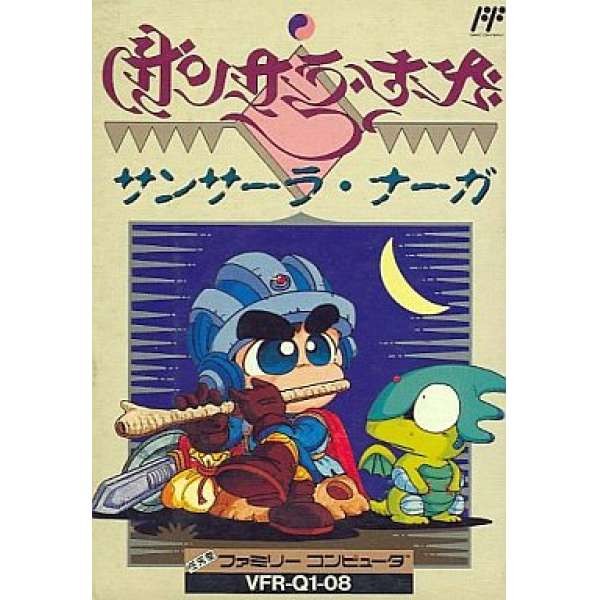
育龍戰記
 1990-03-23
於 1990 年在紅白機(Famicom)平台由 Victor Musical Industries 推出的《育龍戰記》(Samsara Naga/サンサーラ・ナーガ),被視為 RPG 發展史中極具獨特地位的異色經典。其製作陣容在當時堪稱豪華,由以《攻殼機動隊》聞名的 Mamoru Oshii 擔任原案與劇本設計,而配樂則由知名作曲家 Kenji Kawai 負責,角色設計則由久利一操刀。這樣的組合,使本作在紅白機時代顯得格外前衛且具有強烈作者性。
世界觀完全跳脫當時主流「勇者拯救公主」的框架,而是轉向探討生命、輪迴,以及人與龍之間的共生關係。故事設定在一個人類與龍共存的世界,一名立志成為「育龍者」的少年(或少女),因為偶然取得一顆神聖龍蛋而展開旅程。這段冒險的核心並非單純的戰鬥與勝利,而是圍繞著「養育生命」本身展開,所孵化的龍會依照你的照顧方式逐漸成長,並在外型、能力與性格上產生劇烈變化,最終甚至影響世界的命運與輪迴的結果。
在系統設計上,最具突破性的部分在於其「育成」與「生存」機制的融合。戰鬥的主體並非主角,而是隨行的龍,而龍的成長並不單靠經驗值,而是取決於「攝食內容」。玩家在戰鬥後可以選擇將敵人作為食物保存,不同種類的食物會直接影響龍的體型、能力甚至道德傾向。若長期餵食偏向暴力或兇猛的生物,龍可能會變得難以控制;反之,若以較溫和的方式培育,則會成為穩定且可靠的夥伴。
此外,引入在當時極為罕見的「生存要素」。主角與龍都需要進食來恢復狀態,因此必須在資源有限的世界中做出選擇:哪些敵人可以成為食物、哪些必須放過,這種設計使遊戲帶有強烈的道德壓力,也讓每一場戰鬥都不只是數值交換,而是關乎生存的決定。
世界觀帶有濃厚的哲學氣息,場景從陰暗沼澤到荒涼遺跡不斷切換,營造出既孤獨又宏大的旅程感,這種敘事氛圍也非常貼近押井守一貫的創作風格。整體視覺雖然受限於紅白機硬體,但龍的造型與環境描繪仍呈現出相當穩重且寫實的質感,成功塑造出一個殘酷而真實的異世界。
音樂方面則是本作另一大靈魂,由 Kenji Kawai 所創作的配樂融合東方宗教意象與低迴哀愁的旋律,使整體體驗充滿神祕與宿命感,進一步強化作品的情緒厚度。
在市場評價上,被視為典型的「狂熱系經典」(Cult Classic)。其劇情大量探討宗教、輪迴與生命責任,使其在8位元遊戲中呈現出罕見的文學深度。同時,由於育成系統極具挑戰性,玩家必須精準掌握餵食與培養方式,否則龍可能會走向失控甚至反噬的結局,這種高風險設計也大幅提升了重玩價值。
總體而言,《育龍戰記》更像是一則以 RPG 包裝的生命寓言。它並不教玩家如何成為英雄,而是讓玩家學會如何對另一個生命負責。在荒野中與龍共同成長、在選擇與生存之間掙扎,並最終面對輪迴真相的過程,使本作成為紅白機末期最深刻、也最具哲學性的作品之一。
This game, released in 1990 for the Famicom by Victor Musical Industries, titled Samsara Naga (Sansaara Naaga / サンサーラ・ナーガ), is regarded as a highly distinctive and influential cult masterpiece in RPG history. Its production team was unusually prestigious: original concept and scenario were handled by Mamoru Oshii, while the soundtrack was composed by renowned musician Kenji Kawai, and character designs were created by illustrator Kuriichi.
The game completely broke away from the traditional “hero saves princess” structure common in RPGs of its era, instead focusing on themes such as life, reincarnation, and the profound bond between humans and living creatures.
Set in a world where humans and dragons coexist, the story follows a young aspiring “dragon keeper” who begins their journey after stealing a sacred dragon egg. This is not merely an adventure, but a form of existential trial centered on raising life itself. The dragon that hatches from the egg grows and changes according to how the player raises it, and its final form and fate become deeply intertwined with the destiny of the world and the cycle of reincarnation.
One of the most highly praised aspects of Samsara Naga is its ahead-of-its-time creature-raising system and its uncompromising worldview. The player’s dragon is the primary combat companion rather than the protagonist themselves. Its growth is not determined solely by experience points, but by what it consumes. Feeding it different types of defeated monsters directly affects its body shape, attributes, and even its moral alignment.
The game also features a rare and striking survival mechanic centered around food consumption. After battles, players can choose to preserve defeated enemies as dried meat for later use. Both the protagonist and the dragon must eat to recover health, introducing a survival element that was extremely uncommon in RPGs of that period.
Morality plays a significant role in shaping the experience. If the player kills indiscriminately in order to feed the dragon, the creature may grow violent and difficult to control. Conversely, careful nurturing leads to a more stable and reliable companion. These choices directly influence the tone of the journey and the nature of the bond between rider and dragon.
The world design carries a strong philosophical tone reminiscent of Oshii’s signature style, with seamless transitions between desolate swamps, ruins, and vast landscapes that evoke both loneliness and grandeur.
Visually, the game maintains a grounded and restrained aesthetic appropriate to its setting, while the soundtrack by Kenji Kawai delivers a deeply atmospheric blend of Eastern spiritual motifs and melancholic tones, perfectly complementing the game’s narrative weight.
Upon release, Samsara Naga was regarded as a cult classic among dedicated RPG fans. Its narrative depth, infused with philosophical and religious themes, gave it an unusual literary quality for an 8-bit game. At the same time, its demanding growth system made raising a powerful dragon a complex challenge, where mistakes in feeding could lead to disastrous outcomes, greatly enhancing replay value.
Overall, Samsara Naga stands as a “life allegory disguised as an RPG.” Rather than teaching players how to become heroes, it teaches them how to take responsibility for another living being. The experience of growing alongside a dragon, surviving in a harsh world, and ultimately confronting the truth of reincarnation makes it one of the most profound and unique late-era Famicom titles ever created.
運費計算方式:
貨款滿1000元運費外加90元
貨款1000以下:買1件運費外加 60元,買2件運費外加 70元,
買3件運費外加 80元 ,買4件運費外加 90元
貨到付款外加30元手續費
外島及大陸地區運費另計
付款方式:
線上刷卡:本站採用Paypal線上刷卡
虛擬帳號匯款:屬於您專屬的虛擬帳戶,方便站長查帳使用,本站強力推薦
實體ATM匯款:請將匯款帳號記錄下來至各大銀行ATM提款機轉帳
超商條碼繳費:請列印本站提供的條碼至四大超商繳費
線上轉帳:透過玉山銀行線上ATM轉帳(此系統只支援IE瀏覽器)
貨到付款:本站採用黑貓宅急便貨到付款
其他注意事項:
如需購買線上點數卡請直接跟站長連絡,本站不提供點數卡的線上付款