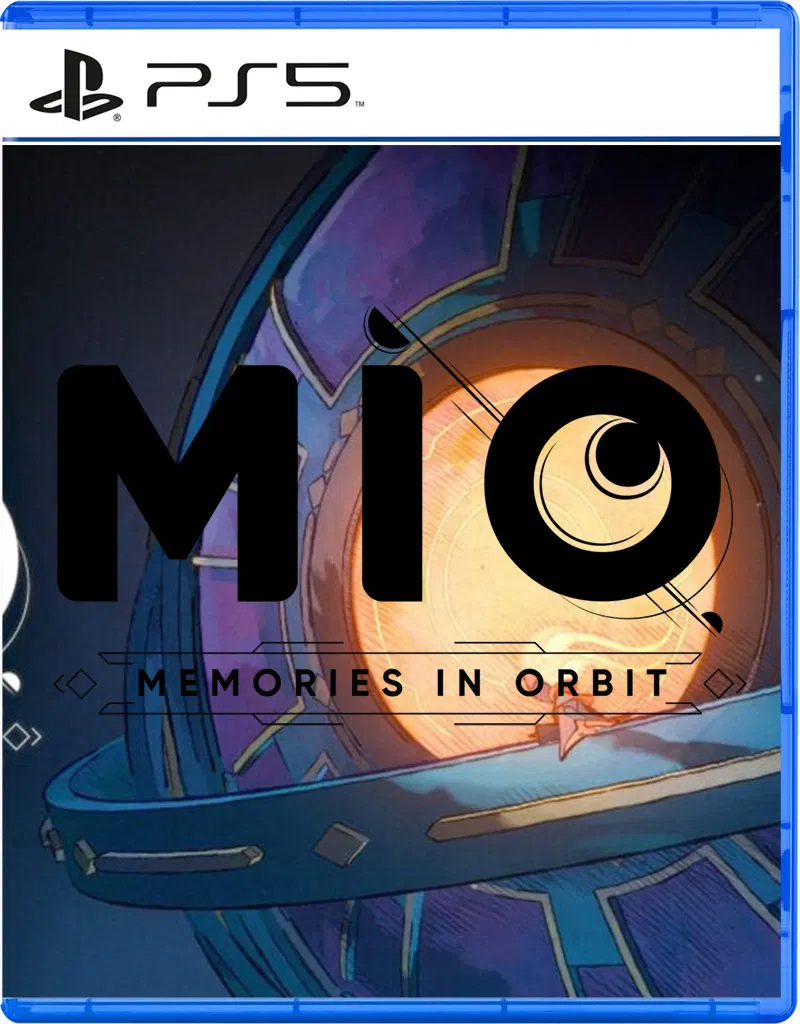
秘奧:秘宇奧憶
《秘奧:秘宇奧憶》(MIO: Memories in Orbit)是由法國獨立團隊Douze Dixièmes開發、Focus Entertainment發行的類銀河戰士惡魔城(Metroidvania)橫向動作冒險遊戲,預計於2026年1月20日在 PS5 平台上市,並於1月21日登陸Steam,同步推出於Nintendo Switch、Switch2與Xbox Series X/S。作品自公開以來,便因其獨特的藝術風格、濃厚的科幻氛圍與情感導向的敘事方式,在核心玩家與獨立遊戲社群中累積相當高的期待度。
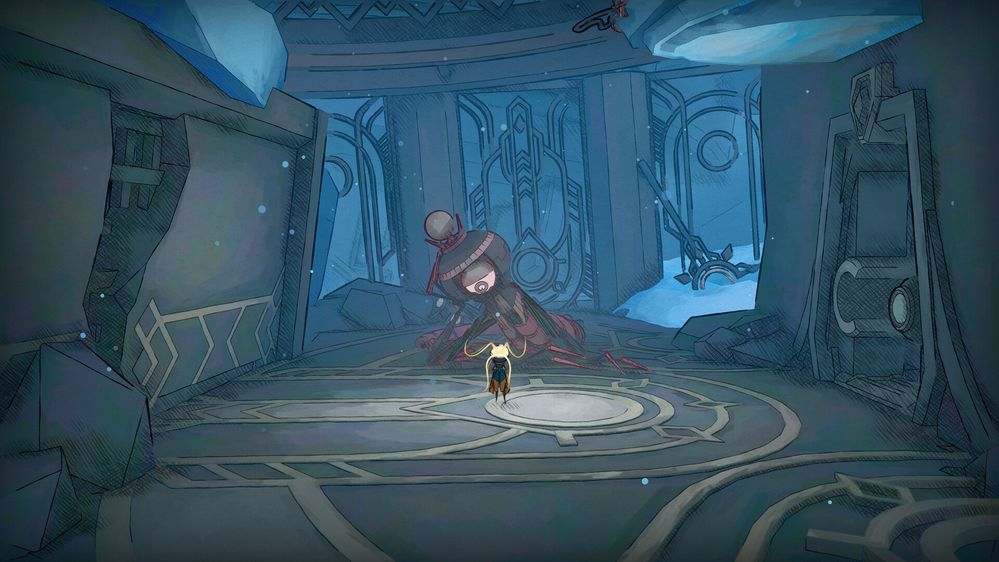
在劇情設定上,描繪一個超脫現實卻逐漸崩毀的宇宙舞台。主角「MIO」是敏捷機器人,在失去記憶的狀態下醒來,發現自己身處一艘名為「船艦(The Vessel)」的巨大科技方舟之中。這艘船原本的建造目的已無從考證,如今卻成為一座被世人遺忘、在太空中漫無目的漂流的遺跡。船內機械系統全面失控,金屬結構與自然植被交錯共生,彷彿一個擁有生命的有機體。負責維持船艦運作的AI管理者「珍珠(Pearls)」集體失靈,導致整艘方舟正一步步走向全面停擺與毀滅。
隨著探索逐步深入,不僅要修復船艦中的系統與其他受損機器人,還會透過他們斷裂的記憶碎片,慢慢拼湊出船艦過去的歷史,以及這場災難真正的起因。故事同時也聚焦於MIO自身的身世與命運,讓玩家在拯救船艦的過程中,逐步思考「自我意識」、「記憶」與「存在意義」等核心主題。整體敘事風格偏向內斂而神祕,不以大量對白鋪陳,而是透過環境敘事、場景變化與角色互動,營造出孤獨卻富有情感層次的冒險旅程。
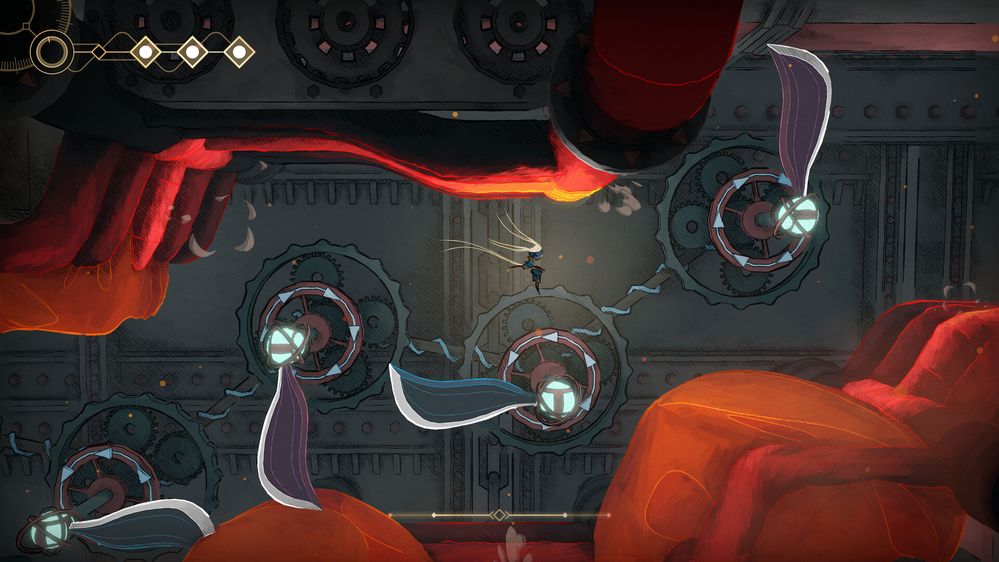
在操作與玩法層面,承襲經典Metroidvania的設計理念,強調探索、回溯與能力解鎖之間的緊密結合。船艦本身被設計成一座立體且層層相扣的巨大迷宮,擁有獨立的生態系統與空間邏輯。玩家需要透過獲得新能力來逐步開拓地圖,例如抓鉤、空中滑翔、蜘蛛式爬牆等,這些技能不僅影響移動方式,也深度融入戰鬥與解謎之中。操作手感以精準與流暢為核心,特別強調節奏感與連續動作的掌控,熟練後能做出極具觀賞性的高速位移與戰鬥連段。
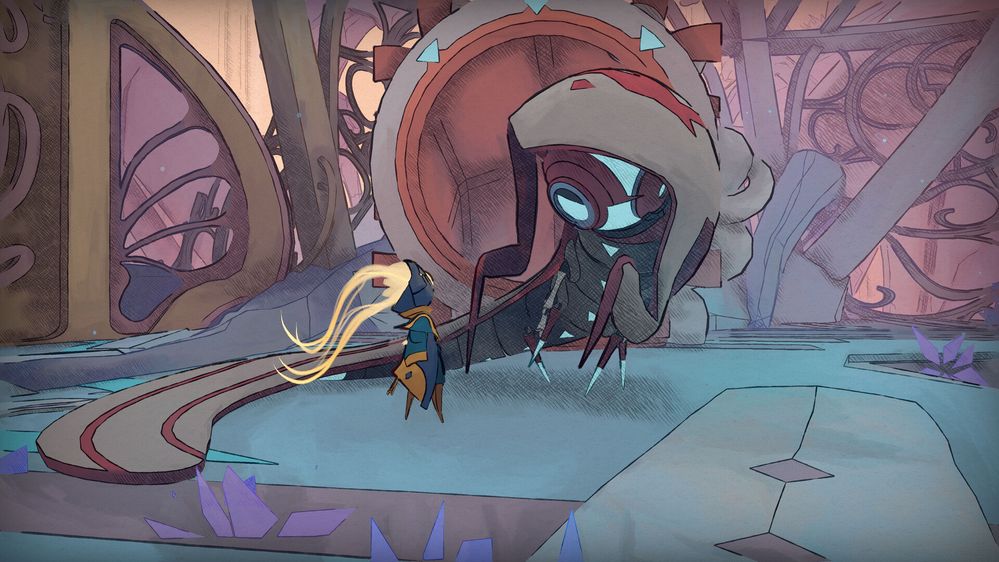
戰鬥系統方面,提供超過三十種風格各異的敵人,以及十五名守門頭目。敵人設計從詭譎的小型生物,到充滿壓迫感的巨大存在,每一種都有獨特攻擊模式與應對方式。MIO 能夠運用多樣化的能力進行戰術選擇,例如利用抓鉤拉開距離、發射光球作為強力投射攻擊,或製造替身進行誘敵與偷襲。敵人被擊敗後,還能回收其零件,用來強化或改造MIO的技能模組,讓角色培養具備高度自由度。可以依照自身風格,選擇偏向高機動、生存取向,或是犧牲防禦換取爆發傷害,讓每一次遊玩都呈現不同節奏與策略。
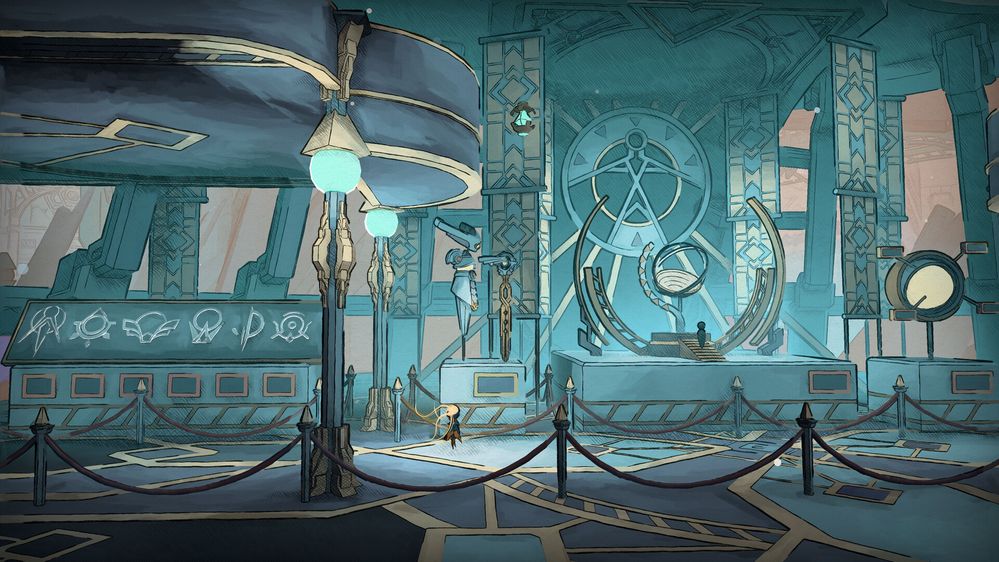
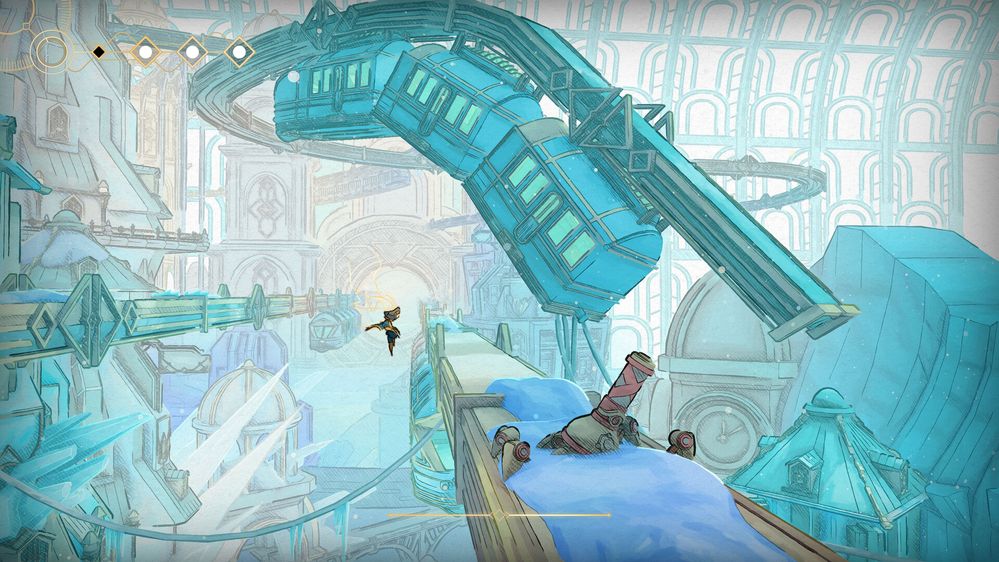
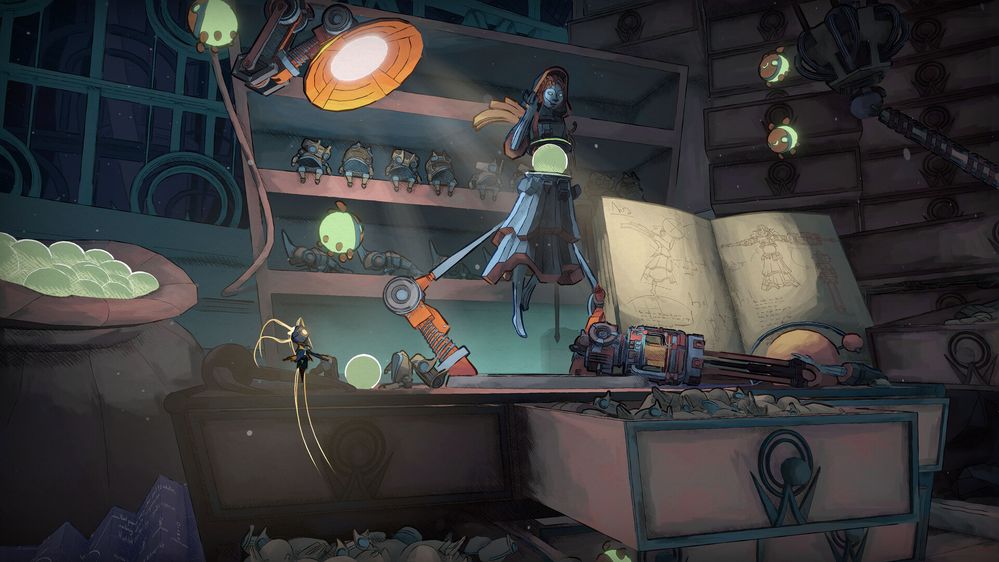
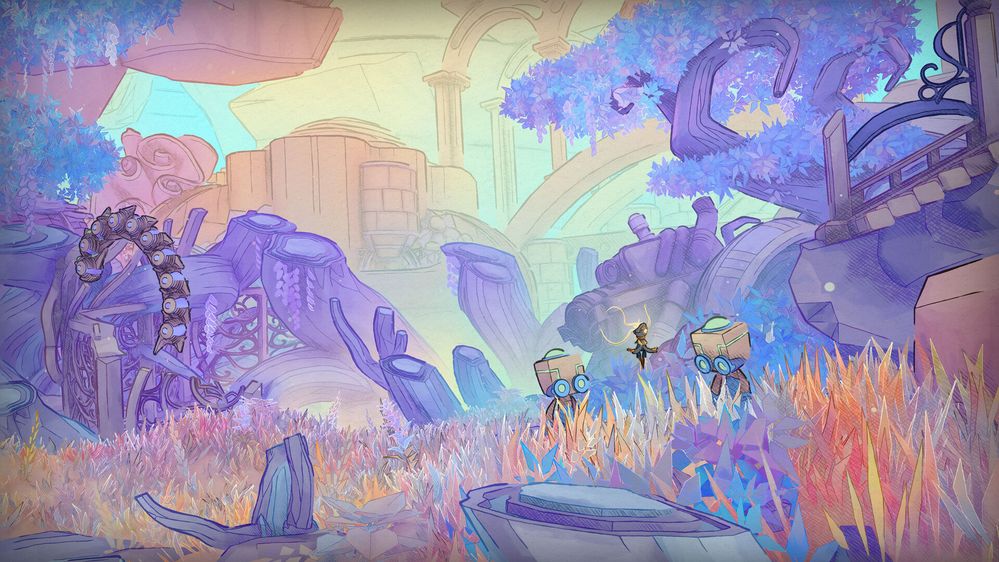
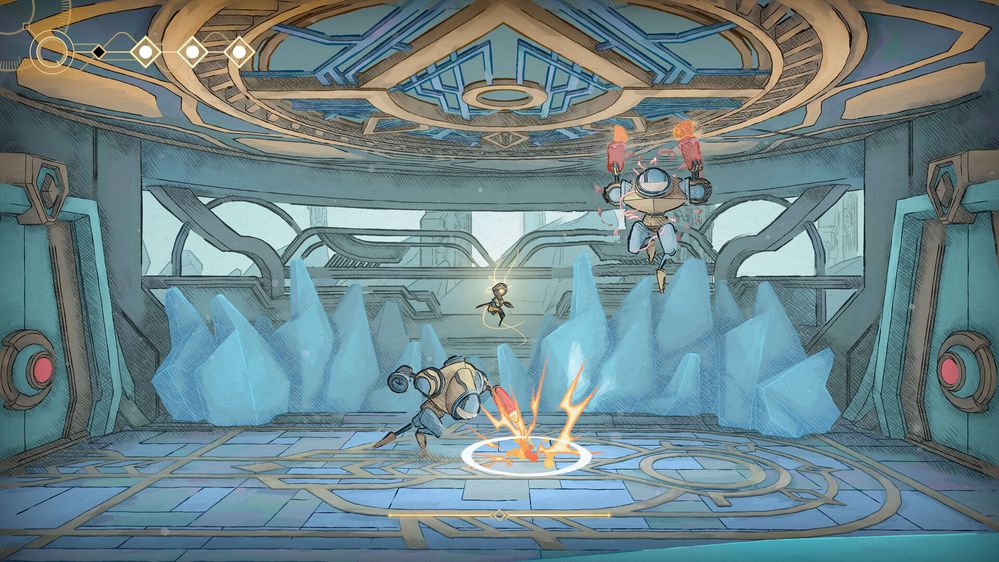
在美術與音樂表現上,同樣是其一大亮點。整個世界以手繪風格呈現,融合水彩、油畫與漫畫筆觸,營造出既奢華又殘破的視覺衝突感。場景中充滿藝術價值極高的物件與構圖,讓探索本身就像是在一座逐漸崩塌的太空美術館中漫遊。配樂則結合低傳真節奏與合唱式旋律,隨著區域與情緒變化而流動,進一步強化孤獨、神祕與希望交織的氛圍。
市場評價方面,雖然遊戲尚未正式發售,但在公開試玩、宣傳影片與媒體前瞻報導中,已獲得相當正面的反應。許多玩家與評論者認為,本作在美術風格與世界觀塑造上具備高度辨識度,有望成為新一代Metroidvania類型中的代表作品之一。其強調探索與敘事並重的設計,也被視為能夠吸引偏好劇情與氛圍導向玩家的重要關鍵。在《空洞騎士:絲綢之歌》長期佔據話題焦點的背景下,本作是否能成功突圍,也成為2026年初動作平台遊戲市場中備受關注的焦點之一。
整體而言,《秘奧:秘宇奧憶》是結合細膩敘事、深度探索與高完成度操作設計的科幻迷宮冒險作品。它不僅挑戰玩家的操作技巧,更透過記憶與存在的主題,引導玩家沉浸於一段孤獨卻富有詩意的宇宙旅程,對喜愛Metroidvania類型與藝術風格獨特作品的玩家來說,無疑是一款值得期待的重點新作。
MIO: Memories in Orbit is a Metroidvania-style side-scrolling action-adventure game developed by French indie studio Douze Dixièmes and published by Focus Entertainment. It is scheduled to launch on PlayStation 5 on January 20, 2026, followed by a Steam release on January 21, and will also be available on Nintendo Switch, Switch 2, and Xbox Series X/S. Since its announcement, the game has generated considerable anticipation among core players and the indie game community thanks to its distinctive art direction, rich science-fiction atmosphere, and emotionally driven narrative approach.
In terms of story, the game presents a surreal yet gradually collapsing cosmic setting. The protagonist, MIO, is a nimble robot who awakens with no memory, only to discover that it is aboard a massive technological ark known as “The Vessel.” The original purpose of this ship has long been lost to time; now it drifts aimlessly through space as a forgotten relic. Inside, mechanical systems have spiraled out of control, while metal structures intertwine with rampant vegetation, making the ship feel like a living organism. The AI caretakers responsible for maintaining the Vessel, known collectively as “Pearls,” have malfunctioned for unknown reasons, pushing the entire ark toward total shutdown and destruction.
As exploration deepens, the player must not only repair the ship’s systems and aid damaged robots, but also piece together fragmented memories left behind by its inhabitants. Through these remnants, the past of the Vessel and the true cause of the catastrophe slowly come into focus. At the same time, the narrative turns inward, centering on MIO’s own origins and destiny. Throughout the journey, players are invited to reflect on themes such as self-awareness, memory, and the meaning of existence. Rather than relying heavily on dialogue, the storytelling is subtle and mysterious, conveyed through environmental storytelling, shifting scenery, and character interactions, creating an adventure that feels lonely yet emotionally resonant.
From a gameplay and control perspective, the game follows classic Metroidvania design principles, emphasizing the close interplay between exploration, backtracking, and ability progression. The Vessel itself is designed as a vast, interconnected three-dimensional maze with its own internal logic and ecosystem. Players gradually expand accessible areas by acquiring new abilities such as grappling hooks, aerial gliding, and spider-like wall climbing. These skills affect not only movement, but are deeply integrated into combat and puzzle-solving. The controls prioritize precision and fluidity, with a strong emphasis on rhythm and timing, allowing skilled players to execute visually impressive high-speed movement and combat chains.
Combat features more than thirty distinct enemy types and fifteen guardian bosses, ranging from eerie small creatures to towering, oppressive foes. Each enemy comes with unique attack patterns and tactical demands. MIO can employ a wide range of abilities in battle, such as using the grappling hook to reposition, firing light orbs as powerful projectiles, or deploying decoys to lure enemies and strike from unexpected angles. Defeated enemies drop components that can be salvaged to enhance or modify MIO’s skill modules, offering a high degree of customization. Players can tailor MIO toward high mobility, survivability, or high-risk, high-damage builds, ensuring that each playthrough can differ in pace and strategy.
The game’s audiovisual presentation is another major highlight. The world is rendered in a hand-drawn style that blends watercolor, oil painting, and comic-inspired aesthetics, creating a striking contrast between elegance and decay. Environments are filled with artistically rich objects and compositions, making exploration feel like wandering through a slowly collapsing spaceborne art gallery. The soundtrack combines lo-fi rhythms with choral melodies that shift with location and mood, further enhancing the atmosphere of solitude, mystery, and fragile hope.
As for market reception, although the game has yet to be officially released, early demos, trailers, and media previews have been met with notably positive responses. Many players and critics praise its strong visual identity and carefully constructed world, viewing it as a potential standout among the next generation of Metroidvania titles. Its emphasis on balancing exploration with narrative depth is also seen as a key factor in appealing to players who favor story-driven and atmospheric experiences. With Hollow Knight: Silksong continuing to dominate discussion in the genre, whether MIO: Memories in Orbit can break through has become one of the most closely watched topics in the action-platformer landscape of early 2026.
Overall, MIO: Memories in Orbit is a science-fiction labyrinthine adventure that successfully combines nuanced storytelling, deep exploration, and finely tuned gameplay mechanics. It challenges players’ technical skills while guiding them through a solitary yet poetic journey centered on memory and existence, making it a highly anticipated title for fans of Metroidvania games and distinctive artistic experiences alike.

運費計算方式:
貨款滿1000元運費外加90元
貨款1000以下:買1件運費外加 60元,買2件運費外加 70元,
買3件運費外加 80元 ,買4件運費外加 90元
貨到付款外加30元手續費
外島及大陸地區運費另計
付款方式:
線上刷卡:本站採用Paypal線上刷卡
虛擬帳號匯款:屬於您專屬的虛擬帳戶,方便站長查帳使用,本站強力推薦
實體ATM匯款:請將匯款帳號記錄下來至各大銀行ATM提款機轉帳
超商條碼繳費:請列印本站提供的條碼至四大超商繳費
線上轉帳:透過玉山銀行線上ATM轉帳(此系統只支援IE瀏覽器)
貨到付款:本站採用黑貓宅急便貨到付款
其他注意事項:
如需購買線上點數卡請直接跟站長連絡,本站不提供點數卡的線上付款