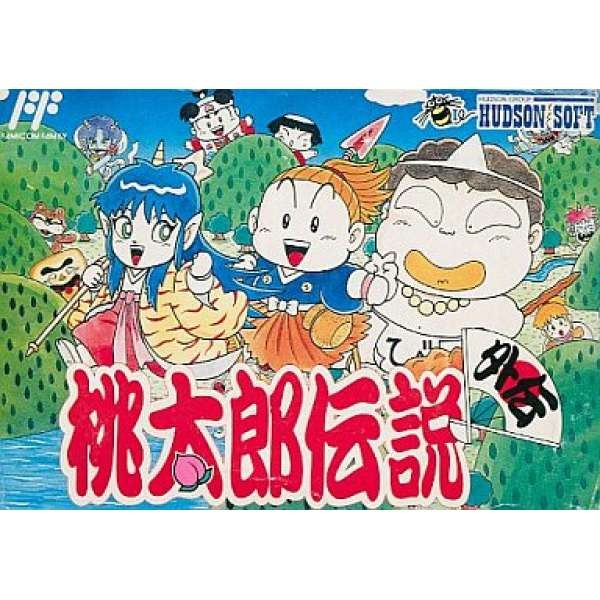
桃太郎傳說外傳
 1993-12-17
由 Hudson Soft 在 Famicom 上推出的《桃太郎傳說外傳》(桃太郎伝説外伝),是系列中極具特色的一部作品。
誕生於紅白機的晚期,當時 Super Famicom 已經問世兩年,因此整體畫面與系統完成度都達到系列在 8 位元平台上的巔峰水準。與以往以桃太郎為唯一主角的設定不同,大膽採用「三篇獨立劇情」的形式,讓原本只是配角的人物躍升為主角,撐起各自完整的冒險故事。
在視覺與音效表現上,延續插畫家 土居孝幸 一貫可愛溫暖的風格,但整體細緻度明顯提升。戰鬥背景更加華麗,怪物動作更加流暢,而三位主角也各自擁有專屬的主題音樂,使整體演出更具個性與層次。章節式結構讓玩家可以自由選擇遊玩順序,並在最後感受到彼此之間的微妙連結。
故事由三個風格截然不同的篇章構成。首先是「貧乏神篇」,這位象徵厄運與貧窮的角色,竟然試圖變強並尋找讓他人幸福的方法。整個劇情充滿黑色幽默,同時又帶著意外的溫情,戰鬥系統也圍繞著金錢與各種搞怪效果展開。接著是「夜叉姬篇」,身為閻魔大王之女的夜叉姬,個性高傲卻不失正義感。她為了調查地獄中的異變而踏上旅程,戰鬥節奏明快,術的演出華麗,是三個劇本中最偏向「爽快戰鬥」的一章。最後是「浦島太郎篇」,取材自經典民間故事,描述浦島太郎前往龍宮城的冒險。這一章更接近傳統 RPG 的設計,強調探索與解謎,帶來較為沉穩的遊玩節奏。
由於主角不再是能力均衡的桃太郎,操作也變得更具個性。貧乏神不擅長正面戰鬥,卻能透過偷取金錢或觸發隨機事件來影響局勢;夜叉姬則以強大的術攻擊見長,能快速清場並壓制敵人。這種角色差異讓每個篇章都擁有截然不同的策略與節奏。
同時,在演出上加入更多分鏡式對話與角色特寫,使整體體驗更像是一部可以操作的長篇漫畫,而不只是單純的數值戰鬥 RPG。
在市場評價方面,被視為「短小精悍卻創意十足」的佳作。評論普遍認為,本作成功賦予配角更深層的人格魅力,特別是夜叉姬的人氣在本作之後大幅提升,成為系列中不可或缺的重要角色。章節化的設計也讓遊戲節奏更加輕快,適合不想投入長時間、但又希望享受完整 RPG 體驗的玩家。
從歷史角度來看,這是紅白機末期 RPG 的代表之一。它證明《桃太郎傳說》的世界觀已經相當成熟,即使沒有桃太郎這位主角,整個系列依然能夠透過其他角色延伸出豐富且有趣的故事。
對許多玩家而言,最難忘的體驗,莫過於操控那位總是帶來厄運的貧乏神,卻在旅途中展現出笨拙而真誠的正義感;又或者是在操控夜叉姬時,於妖怪橫行的迷宮中奮戰,最終迎來屬於她的結局。這種角色反差與故事張力,正是本作最迷人的地方。
Released by Hudson Soft for the Famicom, Momotarou Densetsu Gaiden (桃太郎伝説外伝) stands as one of the most unique entries in the series.
Arriving late in the Famicom’s lifecycle—by which time the Super Famicom had already been on the market for two years—the game represents a technical and artistic peak for the franchise on 8-bit hardware. Instead of centering solely on Momotarō as the main protagonist, this installment takes a bold narrative turn by presenting three independent story arcs, each starring a popular supporting character from the original series.
Visually and aurally, the game retains the signature charm of illustrator Takayuki Doi, with its cute, stylized character designs and warm, festival-inspired soundtrack. However, the overall presentation is noticeably more refined. Battle backgrounds are more detailed, animations are smoother, and each of the three protagonists is given a distinct musical theme that reflects their personality. The chapter-based structure allows players to choose the order in which they experience the stories, with subtle connections tying them together toward the end.
The narrative is divided into three contrasting scenarios, each offering a different tone and gameplay focus. The first story centers on Binbōgami, the God of Poverty, a character traditionally associated with misfortune. In a surprising twist, he seeks to grow stronger and find a way to bring happiness to others—or at least reduce the misery he causes. This scenario blends dark humor with moments of unexpected warmth, featuring mechanics heavily tied to money and misfortune.
The second story follows Yasha-hime, the daughter of King Enma. Portrayed as both proud and righteous, she sets out to investigate strange disturbances occurring in the underworld. Her scenario emphasizes fast-paced combat and showcases visually impressive “Jutsu” abilities, making her playstyle feel closer to that of a powerful magic-based warrior.
The third story is based on the classic Japanese folktale of Urashima Tarō. After rescuing a turtle, Urashima journeys to the Dragon Palace beneath the sea. This chapter leans more toward traditional RPG design, with a stronger focus on exploration and puzzle-solving, offering a familiar yet richly themed adventure.
Because each protagonist differs significantly from the balanced archetype of Momotarō, the gameplay systems become more specialized and character-driven. Binbōgami, for instance, relies on unconventional tactics such as stealing money or items and triggering unpredictable events tied to his “poverty” theme, rather than direct combat strength. Yasha-hime, on the other hand, excels in offensive techniques, particularly wide-area attacks and status-inflicting abilities, allowing for aggressive and efficient battles. These differences give each scenario a distinct rhythm and strategic identity.
The game also enhances its storytelling through more dynamic presentation. Dialogue sequences feature closer framing and more expressive character interactions, giving the experience the feel of an interactive manga rather than a simple RPG.
Critically, Momotarou Densetsu Gaiden was praised as a compact yet highly creative work. Reviewers highlighted how it successfully expanded the personalities of previously secondary characters, turning them into compelling protagonists in their own right. Yasha-hime, in particular, saw a surge in popularity following this release, eventually becoming one of the series’ most beloved heroines.
Its moderate difficulty and episodic structure made it especially appealing to players who preferred shorter, more focused adventures without sacrificing depth. Historically, the game is regarded as one of the standout RPGs of the Famicom’s final years, demonstrating that the world of Momotarou Densetsu had grown rich enough to support stories beyond its titular hero.
For many players, one of the most memorable aspects is the irony of controlling Binbōgami—a character synonymous with financial ruin—while witnessing his clumsy yet sincere attempts at heroism. That contrast, combined with the satisfaction of guiding characters like Yasha-hime through dangerous, monster-filled dungeons to reach their endings, remains a nostalgic highlight of the late Famicom era.
運費計算方式:
貨款滿1000元運費外加90元
貨款1000以下:買1件運費外加 60元,買2件運費外加 70元,
買3件運費外加 80元 ,買4件運費外加 90元
貨到付款外加30元手續費
外島及大陸地區運費另計
付款方式:
線上刷卡:本站採用Paypal線上刷卡
虛擬帳號匯款:屬於您專屬的虛擬帳戶,方便站長查帳使用,本站強力推薦
實體ATM匯款:請將匯款帳號記錄下來至各大銀行ATM提款機轉帳
超商條碼繳費:請列印本站提供的條碼至四大超商繳費
線上轉帳:透過玉山銀行線上ATM轉帳(此系統只支援IE瀏覽器)
貨到付款:本站採用黑貓宅急便貨到付款
其他注意事項:
如需購買線上點數卡請直接跟站長連絡,本站不提供點數卡的線上付款