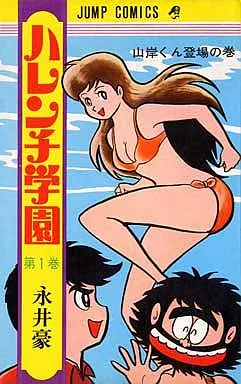
破廉恥學園

永井豪的漫畫《破廉恥學園》(ハレンチ学園)自 1968 年起在《週刊少年Jump》連載,直到 1972 年完結,短短數年間卻在日本社會掀起前所未有的巨大爭議。這部作品不僅改變少年漫畫的表現尺度,也直接衝撞了戰後日本仍然根深蒂固的道德觀與教育價值,其影響遠遠超出漫畫本身。
在創作層面上,最具爆炸性的地方,在於它首次將帶有強烈性暗示與低俗玩笑的內容引入主流少年漫畫。作品中充斥著偷窺、更衣室騷動、掀裙橋段,甚至出現裸體描寫,最具代表性的便是後來被反覆提及的「掀裙大戰」。在今日看來或許只是誇張的惡搞喜劇,但在 1960年代末的日本,這種描寫被視為嚴重污染青少年心靈,對「少年向漫畫應該承擔的教育責任」構成正面挑戰。
更令社會無法接受的,是作品對「學校權威」的徹底顛覆。漫畫中的教師與校方人員不再是循規蹈矩、德高望重的存在,而是被塑造成好色、荒誕甚至精神異常的角色。校長穿著宛如原始人或馬戲團帳篷般的服裝登場,教師們毫無威嚴可言,這種描寫直接踩踏了日本社會長期尊奉的「師道尊嚴」。在教育被視為國家根基的時代,這樣的嘲諷等同於對整個體制的公然挑釁。
因此,很快引爆來自家長與教育團體的全面反彈。以日本家長教師協會(PTA)為核心的保守勢力發動大規模抵制行動,呼籲家長拒絕購買《週刊少年Jump》,並向書店與出版社施壓,導致部分地區真的出現雜誌下架的情況。媒體也加入圍剿行列,永井豪本人多次在公共場所被記者包圍質問,甚至被嚴厲指責「不配創作給孩子看的作品」,指控他將色情與暴力帶進兒童讀物。
然而,永井豪本人始終強調,《破廉恥學園》的核心並不只是低俗或色情,而是一種帶有強烈反諷意味的社會批判。他試圖挑戰日本傳統的「恥文化」,也就是透過羞恥感與壓抑來維持秩序的價值體系。在作品中,尷尬、裸露與越界行為被刻意放大,成為推動故事前進的動力,藉此拆解權威的虛偽與道德話語背後的壓迫性。正因如此,這部作品在當時保守勢力眼中,不只是「不雅」,而是對社會秩序本身的威脅。
面對鋪天蓋地的批判與壓力,永井豪在第一部的結局中選擇極為激烈且象徵性的回應。他讓全校師生在與象徵道德審判與壓迫的「道德部隊」爆發武裝衝突,最終無一倖免、全數戰死。這個悲壯而近乎毀滅性的結局,被視為作者對當時社會偽善道德與言論箝制的最終控訴,也為整場爭議畫下震撼的句點。
回頭來看,《破廉恥學園》不僅是一部引發爭議的漫畫,更是一個時代的斷面。它揭示了日本社會在快速現代化過程中,傳統倫理與新世代價值之間的劇烈衝突,也為後來的成人向漫畫、黑暗題材與反體制敘事鋪平了道路。正因如此,儘管它曾被痛斥為「不道德」,卻仍被視為日本漫畫史上一個無法忽視的轉捩點。
Go Nagai’s manga Harenchi Gakuen (Shameless School) was serialized in Weekly Shōnen Jump from 1968 to 1972 and sparked enormous social controversy in Japan at the time. The uproar stemmed from several intertwined factors rooted in the cultural climate of the late 1960s.
Most notably, the work broke new ground in its depiction of sexuality and so-called “vulgar” humor. It was one of the first mainstream boys’ manga to incorporate overt erotic jokes, featuring scenes such as students peeping at girls changing clothes, lifting skirts—most famously in the “skirt-lifting battles”—and even nudity. For a society that viewed manga as reading material for children and adolescents, these elements were widely condemned as harmful to youth.
The series also directly challenged the sanctity of teacher authority. Educators and school administrators were portrayed as lecherous or deeply eccentric figures, including principals dressed like cavemen or circus tents. Such caricatures clashed violently with Japan’s long-held reverence for “respect for the teaching profession,” provoking strong backlash from conservative segments of society.
Parents’ associations and educational groups, led by the Japan PTA, mounted large-scale protest movements. These campaigns included organized boycotts of Weekly Shōnen Jump, with some bookstores even refusing to sell the magazine. The media joined in the criticism, frequently surrounding Go Nagai in public spaces such as airports to question and denounce him. He was accused of irresponsibility for introducing cruelty and sexual content into publications aimed at children.
In response to these accusations, Go Nagai argued that his intent was not simply to create pornography, but to satirize Japanese society’s traditional “culture of shame.” By using embarrassment and humiliation as narrative drivers, he sought to expose and ridicule authoritarianism and rigid moral codes. This deconstruction of established values, however, was perceived by conservative forces as a direct threat to social order.
The intensity of the controversy ultimately shaped the manga’s conclusion. Faced with relentless attacks, Go Nagai ended the first part of the series in an extreme and provocative manner: the entire school community—teachers and students alike—dies in an armed conflict against an external enemy known as the “Moral Squad.” This tragic and defiant ending has often been interpreted as a final protest against hypocritical morality and the suppression of creative freedom, cementing Harenchi Gakuen as one of the most controversial and influential works in the history of Japanese manga.
運費計算方式:
貨款滿1000元運費外加90元
貨款1000以下:買1件運費外加 60元,買2件運費外加 70元,
買3件運費外加 80元 ,買4件運費外加 90元
貨到付款外加30元手續費
外島及大陸地區運費另計
付款方式:
線上刷卡:本站採用Paypal線上刷卡
虛擬帳號匯款:屬於您專屬的虛擬帳戶,方便站長查帳使用,本站強力推薦
實體ATM匯款:請將匯款帳號記錄下來至各大銀行ATM提款機轉帳
超商條碼繳費:請列印本站提供的條碼至四大超商繳費
線上轉帳:透過玉山銀行線上ATM轉帳(此系統只支援IE瀏覽器)
貨到付款:本站採用黑貓宅急便貨到付款
其他注意事項:
如需購買線上點數卡請直接跟站長連絡,本站不提供點數卡的線上付款