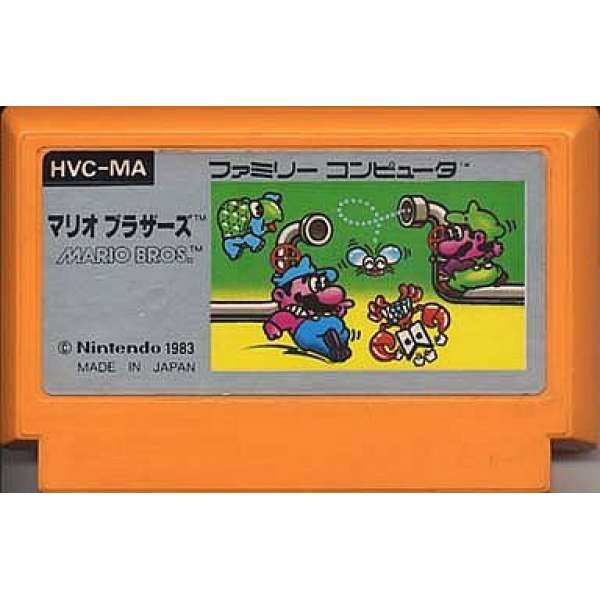
水管瑪莉
 1983-09-09
1983年9月9日,任天堂(Nintendo)在Family Computer(FC/紅白機)平台推出《瑪利歐兄弟》(Mario Bros./マリオブラザーズ),這款作品在台灣玩家之間常被親切地稱為「水管瑪利」。本作源自《Donkey Kong》系列的延伸發展,首次正式確立瑪利歐(Mario)作為獨立主角的地位,同時也讓他的雙胞胎弟弟路易吉(Luigi)首度登場。遊戲舞台從建築工地轉移至充滿綠色水管的地下世界,不僅在設定上奠定系列基礎,也開啟長達數十年的「瑪利歐兄弟」經典搭檔傳統。
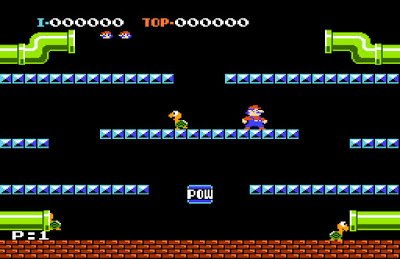
在基本設計與玩法定位上,是固定畫面動作遊戲的代表作之一。它最初誕生於街機平台,隨後移植至FC並迅速成為早期主機的重要作品。整個畫面由多層平台與左右相通的水管構成,玩家需在單一畫面內反覆進行戰鬥與移動。本作的一大技術特色在於「慣性移動」與「摩擦力」的設計,角色在奔跑與轉向時會產生滑動感,使操作更具真實重量與節奏感。此外,遊戲支援雙人同時遊玩,分別操控瑪利歐與路易吉,玩家之間既可以合作清除敵人,也能互相干擾,形成一種兼具合作與競爭的獨特體驗,在當時極為創新且極具吸引力。
劇情設定簡潔卻充滿生活感。故事發生在紐約市的地下水道系統中,某天大量奇特且危險的生物從水管中湧出,包括烏龜、螃蟹與會飛行的昆蟲,嚴重威脅城市的運作與安全。身為專業水管工的瑪利歐與路易吉臨危受命,深入地下進行清理工作。他們的任務明確而直接:擊退每一波入侵的怪物,並在過程中收集掉落的金幣,最終讓混亂的水道恢復秩序。雖然敘事極為簡單,但透過不斷出現的敵人與節奏逐漸加快的關卡,成功營造出一種緊張又帶點幽默的工作戰場氛圍。
在操作設計上,建立一套與後來《超級瑪利歐兄弟》截然不同的核心機制。玩家無法直接從上方踩擊敵人,而是必須跳起來從其所在平台的下方頂擊地板,使敵人翻轉成四腳朝天的狀態,接著再迅速接近並將其踢出場外,才能徹底消滅。畫面中央設置的「POW 方塊」則提供關鍵戰略用途,在緊急情況下可透過撞擊方塊,將畫面中所有敵人同時震翻,但次數有限,因此使用時機極為重要。另一方面,角色移動具備明顯慣性,停止時會略微滑行,加上畫面左右相通的設計,使玩家可以利用空間穿越來閃避敵人或快速轉移位置。這些元素共同構成了一套節奏緊湊且富有策略深度的動作系統。
在市場評價方面,獲得極高的肯定,其影響力甚至超越推出當時的年代。評論普遍讚賞其簡單卻極具成癮性的遊戲循環,尤其是雙人模式帶來的互動性,使玩家既能合作,也能在關鍵時刻惡意干擾對方,形成充滿變數與趣味的遊戲體驗。市場普遍認為,本作雖然畫面與內容相對簡樸,但其核心機制極為紮實,不僅成功塑造瑪利歐與路易吉作為水管工的角色形象,也奠定金幣與敵人設計等系列經典元素。即使在《超級瑪利歐兄弟》問世並風靡全球之後,任天堂仍多次將本作以迷你遊戲形式收錄於後續作品中,足見其在遊戲史上不可動搖的經典地位。
On September 9, 1983, Nintendo released Mario Bros. for the Family Computer (FC/Nintendo Famicom), a title affectionately known among Taiwanese players as “Plumber Mario.” Originating as a spin-off from Donkey Kong, this game marked the first time Mario was firmly established as a standalone protagonist, while also introducing his twin brother Luigi for the very first time. The setting shifted from construction sites to a maze of underground sewer pipes, laying the foundation for the series’ iconic world and establishing the enduring “Mario Bros.” partnership that would continue for decades.
In terms of design and gameplay, Mario Bros. is widely regarded as a defining example of fixed-screen action games. Initially developed as an arcade title before being ported to the Famicom, it quickly became one of the platform’s early standout releases. The game takes place within a single-screen layout composed of multiple platforms and interconnected pipes on both sides, requiring players to constantly navigate and engage enemies within a confined space. One of its most notable technical features is the implementation of inertia-based movement and friction, giving Mario a sense of weight when running and turning. The game also supports simultaneous two-player gameplay, with one player controlling Mario and the other Luigi. This allows for both cooperation and playful sabotage, creating a dynamic social experience that was highly innovative and appealing at the time.
The story is simple yet grounded in a humorous, everyday scenario. Set in the underground sewer system of New York City, the game begins with waves of strange and aggressive creatures emerging from the pipes, including turtles, crabs, and flying insects. These invaders threaten the safety and functionality of the city, prompting Mario and Luigi—professional plumbers—to step in and resolve the crisis. Their mission is straightforward: clear each stage of enemies and collect coins while restoring order to the chaotic sewer environment. Despite its minimal narrative, the escalating pace and continuous enemy pressure create a lively and engaging sense of urgency.
Gameplay revolves around a unique combat system that differs greatly from later Mario titles like Super Mario Bros. Players cannot defeat enemies by jumping on them directly; instead, they must strike the platform beneath the enemies from below, flipping them onto their backs. Once stunned, the enemies must be kicked off the platform to be fully defeated. A key strategic element is the “POW Block” located at the bottom center of the screen, which can be used a limited number of times to flip all on-screen enemies simultaneously, making it an essential tool in emergency situations. Movement is further defined by inertia, causing characters to slide slightly when stopping, and the wraparound screen allows players to exit one side and reappear on the other—an important mechanic for evasion and positioning. Together, these elements form a fast-paced, timing-based system that rewards precision and awareness.
Upon release, Mario Bros. received widespread acclaim and has since become one of the most influential games of its era. Critics praised its highly addictive gameplay loop, particularly highlighting the two-player mode, which encouraged both teamwork and mischievous interference. Despite its relatively simple visuals, the game’s core mechanics were considered exceptionally solid, successfully establishing Mario and Luigi’s identities as plumbers and introducing iconic elements such as coins and enemy types. Even after Super Mario Bros. went on to achieve global success, Nintendo continued to revisit Mario Bros. by including it as a mini-game in later titles, underscoring its lasting legacy and importance in video game history.
運費計算方式:
貨款滿1000元運費外加90元
貨款1000以下:買1件運費外加 60元,買2件運費外加 70元,
買3件運費外加 80元 ,買4件運費外加 90元
貨到付款外加30元手續費
外島及大陸地區運費另計
付款方式:
線上刷卡:本站採用Paypal線上刷卡
虛擬帳號匯款:屬於您專屬的虛擬帳戶,方便站長查帳使用,本站強力推薦
實體ATM匯款:請將匯款帳號記錄下來至各大銀行ATM提款機轉帳
超商條碼繳費:請列印本站提供的條碼至四大超商繳費
線上轉帳:透過玉山銀行線上ATM轉帳(此系統只支援IE瀏覽器)
貨到付款:本站採用黑貓宅急便貨到付款
其他注意事項:
如需購買線上點數卡請直接跟站長連絡,本站不提供點數卡的線上付款