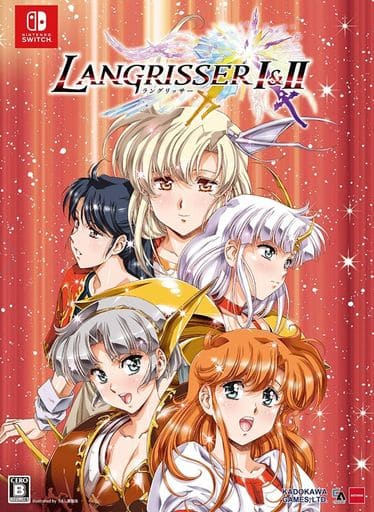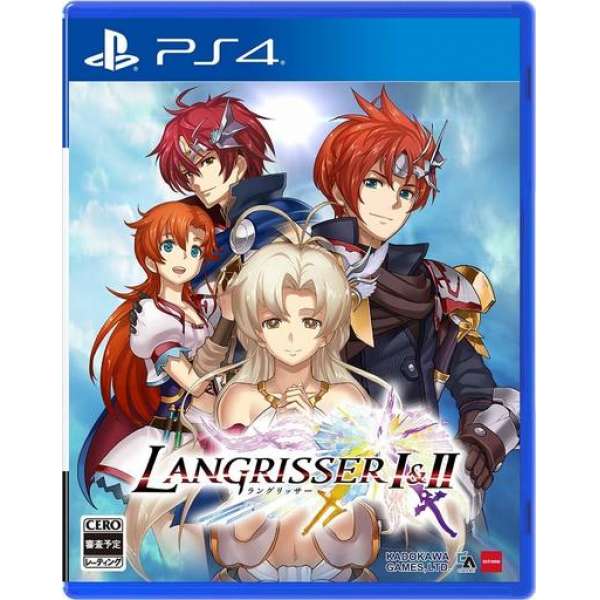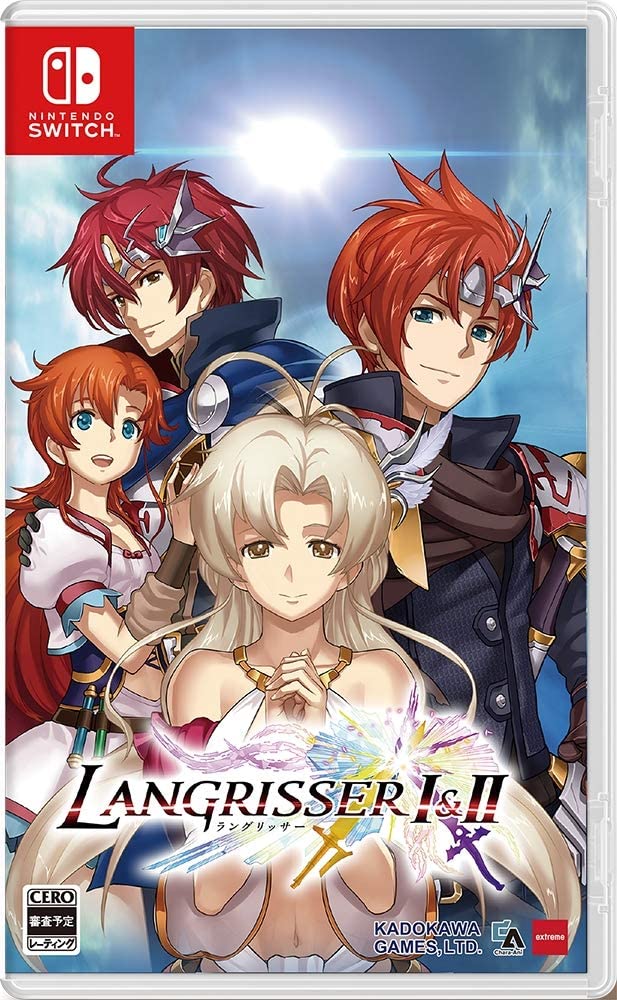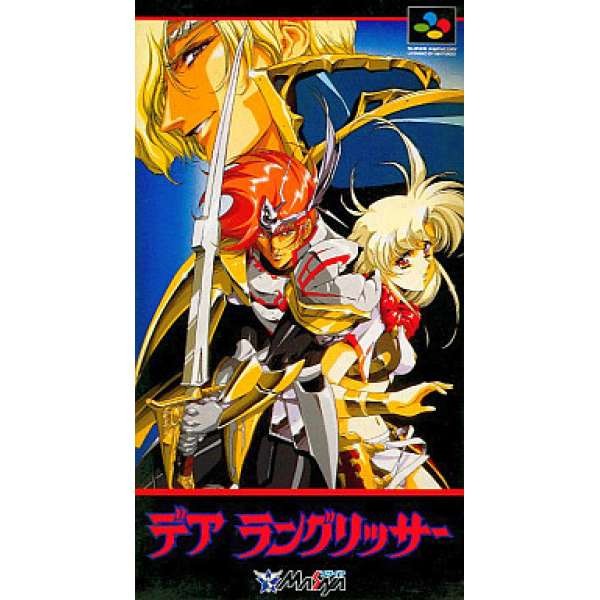
夢幻模擬戰II

《夢幻模擬戰 II》(ラングリッサーII,Langrisser II)是由日本 Computer System(NCS)開發、以 Masaya 名義發行的戰略角色扮演遊戲(SRPG),於 1994 年 8 月 26 日在 SEGA Mega Drive(MD)主機上推出。本作是《夢幻模擬戰》系列的重要續作,承襲前作的奇幻世界觀,並在大規模傭兵戰鬥、兵種相剋、角色轉職與劇情分歧等方面進一步擴展,成為 16 位元主機時代極具代表性的日系戰棋遊戲之一。憑藉宏大的戰場規模、鮮明的角色設定與具有高度挑戰性的戰術系統,本作在系列發展史上占有重要地位,也為後續作品及多平台重製版本奠定了基礎。
遊戲劇情圍繞著兩把具有強大力量的傳說之劍——光之聖劍蘭古利薩(Langrisser)與黑暗魔劍阿魯哈薩特(Alhazard)展開。主角艾爾文(Elwin)是擁有光之後裔血統的青年,原本過著相對平靜的生活,卻因一連串事件而捲入各方勢力的衝突。在冒險途中,他與同伴救出光之巫女莉亞娜(Liana),並逐漸發現自己所處的世界正面臨新的危機。隨著故事推進,艾爾文不僅需要面對帝國軍與光輝勢力之間的戰爭,也必須在信念、友情與權力之間作出抉擇。
本作最具代表性的特色之一,是具有高度自由度的多路線劇情。玩家的決定不只是影響個別事件的發展,更可能改變艾爾文所效忠的陣營,以及整個故事的最終走向。遊戲包含光輝、帝國、黑暗與獨立等不同發展方向,各路線呈現不同的政治立場、人物關係與戰爭結局,使原本單純的正邪對抗逐漸發展成更複雜的陣營衝突。艾爾文並非只能沿著固定的英雄道路前進,玩家也能依照自己的判斷選擇不同立場,甚至走向與傳統英雄敘事截然不同的結局。這種以玩家決策推動劇情分歧的設計,大幅提升了遊戲的重玩價值,也是《夢幻模擬戰 II》長年受到玩家討論的重要原因。
在遊戲系統方面,本作並非單純讓英雄角色在格狀地圖上移動與攻擊,而是採用英雄指揮官搭配傭兵部隊的大規模戰鬥模式。每位指揮官都能依據自身職業與兵種適性僱用不同類型的士兵,例如步兵、槍兵、騎兵、弓箭手及飛行部隊等。戰鬥開始後,玩家需要同時管理指揮官與麾下傭兵,安排各支部隊的移動路線、攻擊目標及彼此之間的支援關係。這種設計讓每一場戰役不再只是英雄之間的單挑,而是演變成多支軍團在廣大地圖上交鋒的戰場。
指揮官的指揮範圍是戰術系統中的重要概念。傭兵在指揮官周圍作戰時,能夠獲得相應的能力加成,因此如何維持部隊陣形、避免傭兵過度遠離指揮官,以及在必要時讓不同軍團互相支援,都是戰鬥中不可忽視的細節。玩家若只顧著讓強力英雄向前推進,卻忽略傭兵的部署與保護,往往會在遭遇敵軍集中攻擊時蒙受重大損失。相反地,若能善用指揮官的能力與部隊之間的配合,即使面對數量龐大的敵軍,也有機會透過合理的戰術安排扭轉局勢。
兵種相剋則是《夢幻模擬戰 II》另一項核心機制。步兵、槍兵與騎兵之間存在基本的相剋關係,弓箭手對飛行部隊具有戰術優勢,而魔法與其他特殊兵種也能在特定情況下發揮重要作用。玩家必須根據敵方編制選擇適當的傭兵,並考慮部隊的攻擊距離、移動能力與防禦特性。即使角色等級較高,如果派遣不利的兵種直接迎戰敵方主力,也可能迅速損失大量傭兵。因此,勝負並不完全取決於角色數值,而是取決於玩家能否正確判斷敵我優劣,並在適當的時機投入合適的兵力。
地形系統進一步增加了戰鬥的變化。森林、山地、水域與道路等不同環境,會影響部隊的移動效率與防禦表現。玩家在進攻前必須評估地形是否有利於己方兵種,並思考如何利用狹窄通道限制敵軍、藉由防禦優勢抵擋攻勢,或讓機動力較高的部隊繞過正面防線。部分關卡需要玩家迅速完成指定目標,另一些則要求保護重要角色、突破敵軍陣地或擊敗強大的頭目。隨著遊戲進程推進,敵軍的兵力與戰鬥能力也會逐步提升,使玩家必須不斷調整戰術,而不能單靠固定的作戰方式一路取勝。
戰鬥演出也是本作深受玩家喜愛的特色。當雙方部隊交戰時,畫面會切換至橫向戰鬥場景,以細緻的點陣動畫呈現士兵衝鋒、刀劍交鋒、弓箭射擊與魔法攻擊等動作。相較於只在地圖上顯示攻擊結果的戰棋作品,《夢幻模擬戰 II》透過獨立的戰鬥畫面,強化每一次交鋒的視覺衝擊力。搭配具有魄力的音效與戰鬥音樂,即使受到 Mega Drive 硬體性能的限制,遊戲仍成功營造出大軍交戰的氣勢,使玩家更容易感受到戰場上的緊張氛圍。
角色成長與轉職系統則讓遊戲具備長期培養的樂趣。不同英雄具有各自的職業發展方向,隨著等級提升,玩家可以選擇不同的轉職路線,逐步解鎖新的職業、技能與兵種。這套具有分支結構的轉職系統,讓同一名角色能夠依照玩家的規劃發展成不同類型的戰鬥單位。有些職業偏重近身攻擊與防禦,有些擅長魔法、遠程攻擊或支援能力,而部分進階職業則能指揮更具威脅性的傭兵。如何分配角色的成長方向,並讓不同英雄在隊伍中形成互補,是遊戲策略規劃的重要部分。由於劇情路線與轉職選擇相互影響,玩家也能透過不同的培養方式體驗各種戰術組合。
從市場評價與系列地位來看,《夢幻模擬戰 II》最受肯定的地方,在於成功將角色扮演遊戲的成長要素與大規模戰棋戰鬥結合。相較於部分以少數英雄為主角的戰略遊戲,本作讓玩家同時管理指揮官與大量傭兵,將兵種配置、戰場地形、行動順序與職業發展融入同一套系統,形成更具層次的戰略體驗。多路線劇情則讓遊戲不只是單純的戰爭故事,而是要求玩家對角色立場與世界局勢作出選擇。即使玩家已經完成其中一條路線,其他陣營的故事與不同結局仍然提供再次遊玩的動機。
畫面方面,本作並不以追求華麗的特效為主要目標,而是透過清楚的戰場資訊、鮮明的角色造型與細緻的戰鬥動畫呈現遊戲特色。音樂則為冒險、戰爭與不同劇情場景增添氣氛,配合各陣營之間的衝突,使整體遊戲體驗更具史詩感。對 Mega Drive 玩家而言,本作展現了 16 位元主機在策略遊戲上的另一種可能:即使沒有大型三維場景或複雜的即時演算,仍然可以依靠完善的系統設計、人物塑造與戰術深度,打造出具有長期吸引力的作品。
整體而言,《夢幻模擬戰 II》是 Mega Drive 時代不可忽視的經典 SRPG。它以蘭古利薩與阿魯哈薩特的傳說建立宏大的奇幻背景,再透過艾爾文的陣營抉擇發展出多條劇情路線;在玩法上,則以英雄指揮官、傭兵軍團、兵種相剋、地形運用與分支轉職系統構築出豐富的戰術層次。它不僅延續了前作的核心精神,也進一步確立《夢幻模擬戰》系列在日系戰略角色扮演遊戲中的重要地位。對喜愛戰棋遊戲、奇幻戰爭故事與角色培養的玩家而言,本作至今仍具有值得深入體驗的價值。
Langrisser II (ラングリッサーII) is a tactical role-playing game (SRPG) developed by Japan’s Computer System (NCS) and published under the Masaya brand. Released for the SEGA Mega Drive on August 26, 1994, it is a major entry in the Langrisser series and one of the most distinctive Japanese tactical RPGs of the 16-bit era. Building upon the fantasy setting of its predecessor, the game expands its strategic depth through large-scale mercenary battles, unit-type advantages, branching character development, and multiple story routes. Its combination of epic warfare, memorable characters, and demanding tactical gameplay helped establish the series as an important name in Japanese strategy gaming.
The story revolves around two legendary weapons of immense power: Langrisser, the sacred sword of light, and Alhazard, the demonic sword associated with darkness. The protagonist, Elwin, is a young man descended from the bloodline of the heirs of light. What begins as a relatively peaceful life soon draws him into a conflict involving powerful factions and competing visions for the future. During his journey, Elwin and his companions rescue Liana, a priestess associated with the forces of light, and gradually uncover a growing threat to their world. As the conflict intensifies, Elwin must confront not only the war between the Empire and the forces of light, but also difficult questions about loyalty, friendship, personal conviction, and political power.
One of the game's most remarkable features is its branching narrative. The player's decisions can influence not only individual events but also the faction Elwin ultimately chooses to serve and the direction of the entire story. The game offers several major paths, including the forces of light, the Empire, the forces of darkness, and an independent route. Each path presents different political perspectives, character relationships, and outcomes, transforming what might otherwise be a conventional struggle between good and evil into a more complicated conflict between competing ideologies. Elwin is not restricted to the traditional role of a heroic champion of justice; players can make decisions that lead him toward very different allegiances and endings. This emphasis on player choice gives Langrisser II considerable replay value and remains one of the reasons the game continues to attract discussion among fans.
In terms of gameplay, Langrisser II goes beyond the conventional tactical RPG formula of moving individual heroes across a grid and attacking enemies. Its defining system revolves around commanders leading groups of mercenaries into large-scale battles. Each commander can recruit different types of soldiers according to their class and unit affinities, including infantry, spearmen, cavalry, archers, and flying units. During combat, players must manage both their commanders and their subordinate troops, carefully planning movement, selecting targets, and coordinating attacks between different units. As a result, battles feel less like isolated duels between individual heroes and more like large military engagements involving multiple armies across expansive maps.
The commander's leadership range is an essential part of this tactical system. Mercenaries can receive combat bonuses when fighting within their commander's effective range, making formation management and unit coordination especially important. Players must avoid allowing troops to stray too far from their commanders and should position their forces so that different groups can support one another when necessary. Sending a powerful hero too far ahead without protecting the accompanying mercenaries can leave the army vulnerable to concentrated enemy attacks. Conversely, players who understand how to exploit command bonuses and coordinate their troops can overcome numerically superior opponents through careful planning.
The unit-type advantage system is another cornerstone of Langrisser II. Infantry, spearmen, and cavalry participate in a fundamental cycle of strengths and weaknesses, while archers have a tactical advantage against flying units. Magic and other specialized unit types can also play important roles in particular situations. Players must examine the enemy's composition before recruiting their own mercenaries, taking into account attack range, mobility, defensive capabilities, and battlefield positioning. Even a high-level commander can suffer heavy losses if the wrong troops are sent directly against a superior enemy formation. Victory therefore depends not only on character statistics but also on the player's ability to evaluate the battlefield and deploy the right forces at the right moment.
Terrain adds another layer of strategic complexity. Forests, mountains, waterways, and roads can affect movement efficiency and defensive performance. Before advancing, players must consider whether the terrain favors their units and how the landscape can be used to restrict enemy movement, establish defensive positions, or allow mobile forces to bypass the main enemy line. Objectives also vary from stage to stage. Some missions demand rapid elimination of enemy forces, while others require players to protect important characters, break through defensive lines, or defeat powerful bosses. As the campaign progresses, enemy armies become stronger and more numerous, forcing players to adapt their tactics rather than relying on a single strategy throughout the game.
Combat presentation is another feature that helped distinguish Langrisser II from other tactical games of its era. When opposing forces engage, the game transitions from the tactical map to a side-view battle scene, where detailed pixel animations depict soldiers charging, swords clashing, arrows flying, and magic attacks being unleashed. Unlike strategy games that display only numerical results on the map, Langrisser II gives individual encounters a more dramatic visual presentation. Combined with powerful sound effects and stirring battle music, these sequences create a convincing sense of large-scale warfare despite the technical limitations of the Mega Drive hardware.
The character progression and class-change systems further increase the game's depth. Each hero has distinct career paths, and as characters gain levels, players can choose different advancement routes to unlock new classes, abilities, and types of mercenaries. This branching class system allows the same character to develop into different kinds of combat specialists depending on the player's decisions. Some classes emphasize close-range attacks and defense, while others focus on magic, ranged combat, or support abilities. Advanced classes can also provide access to more formidable troops. Choosing the right development path and building a team whose members complement one another are essential parts of long-term strategic planning. Because class development interacts with the broader campaign, players can experiment with different combinations and approaches across multiple playthroughs.
From a critical and historical perspective, Langrisser II is particularly well regarded for combining traditional role-playing progression with large-scale tactical warfare. Unlike strategy games centered primarily on a small group of heroes, it requires players to manage commanders and substantial mercenary forces simultaneously. Unit matchups, terrain, turn order, recruitment, and class development all contribute to a layered tactical system. Its branching story also transforms the campaign into more than a straightforward war narrative, allowing players to influence the loyalties of the protagonist and the fate of the world. Even after completing one route, the alternative factions, story developments, and endings provide compelling reasons to return to the game.
Visually, Langrisser II does not rely primarily on elaborate special effects. Instead, it uses clear battlefield presentation, distinctive character designs, and detailed combat animations to communicate its identity. The soundtrack reinforces the atmosphere of adventure and war, while the conflicts between different factions give the overall experience an epic tone. For Mega Drive players, the game demonstrated how a 16-bit console could deliver a compelling strategy experience without three-dimensional environments or complex real-time simulation. Strong system design, memorable characters, and meaningful tactical decisions were enough to create a game with lasting appeal.
Overall, Langrisser II remains one of the essential tactical RPGs of the Mega Drive era. Its legendary conflict between Langrisser and Alhazard provides an expansive fantasy backdrop, while Elwin's choices create multiple narrative paths and dramatically different outcomes. Its gameplay combines commander-led mercenary armies, unit-type advantages, terrain-based tactics, and branching class progression into a sophisticated strategic experience. By expanding upon the foundations of the original game, Langrisser II helped secure the series' place in the history of Japanese tactical role-playing games. For fans of grid-based strategy, fantasy warfare, and character development, it remains a classic worth experiencing.


運費計算方式:
貨款滿1000元運費外加90元
貨款1000以下:買1件運費外加 60元,買2件運費外加 70元,
買3件運費外加 80元 ,買4件運費外加 90元
貨到付款外加30元手續費
外島及大陸地區運費另計
付款方式:
線上刷卡:本站採用Paypal線上刷卡
虛擬帳號匯款:屬於您專屬的虛擬帳戶,方便站長查帳使用,本站強力推薦
實體ATM匯款:請將匯款帳號記錄下來至各大銀行ATM提款機轉帳
超商條碼繳費:請列印本站提供的條碼至四大超商繳費
線上轉帳:透過玉山銀行線上ATM轉帳(此系統只支援IE瀏覽器)
貨到付款:本站採用黑貓宅急便貨到付款
其他注意事項:
如需購買線上點數卡請直接跟站長連絡,本站不提供點數卡的線上付款