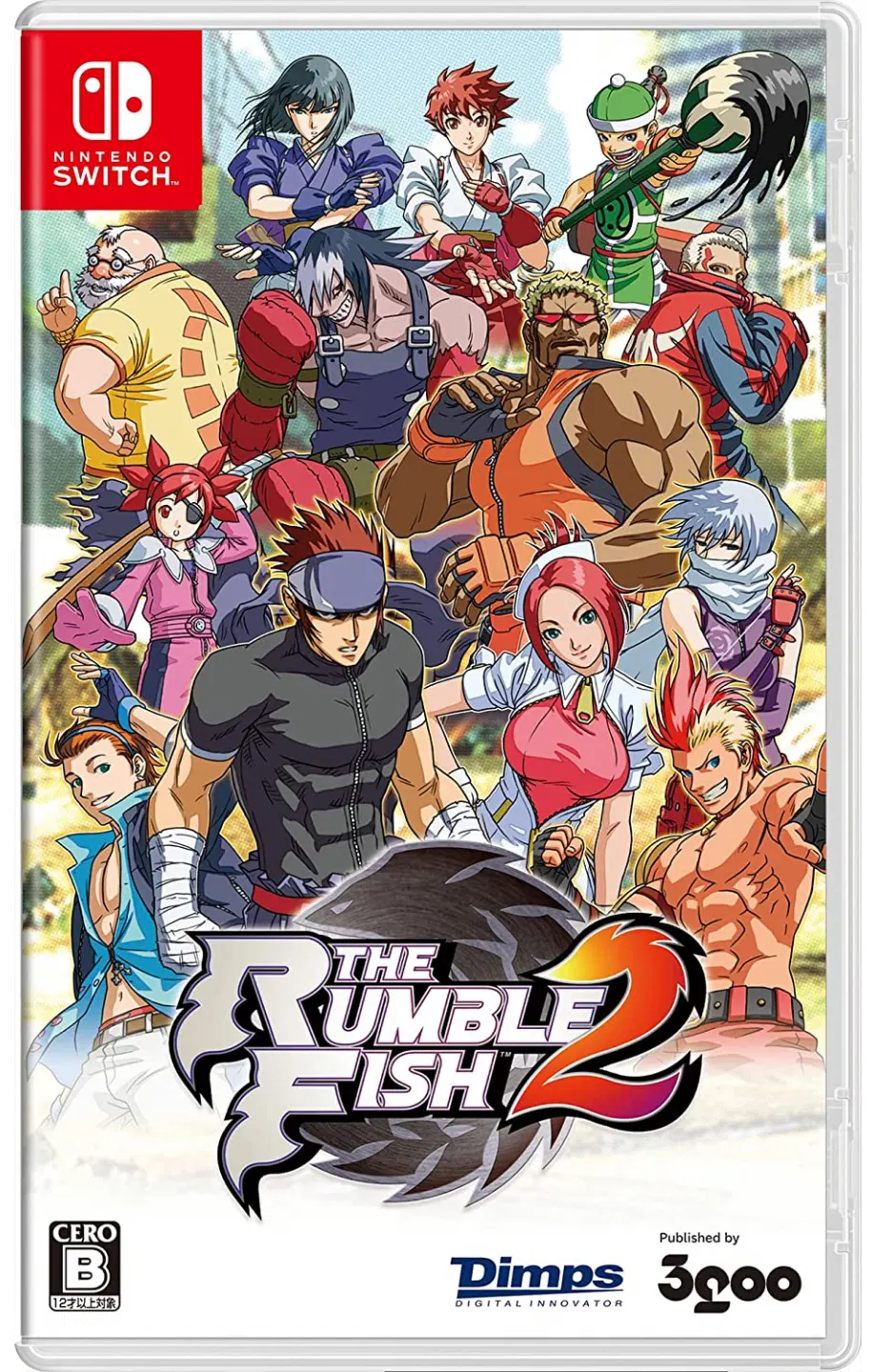
鬥魚2
 2026-01-22
《鬥魚2》(The Rumble Fish 2 – Nintendo Switch 2 Edition,ランブルフィッシュ2)是帶著濃厚街機血統、在格鬥遊戲歷史中佔有特殊地位的作品。原作由Dimps開發,最早於2005年登上街機舞台,當年並未走向主流大作的路線,卻憑藉獨特的系統設計與流暢到近乎異常的2D動畫表現,在核心玩家之間累積極高評價。隨著家用主機版本陸續推出,以及Nintendo Switch 2 Edition的登場,這款曾經偏向「街機硬派」的小眾名作,再次被帶回更寬廣的市場視野中。
在世界觀與劇情設定上,延續系列一貫的近未來都市風格。故事從20世紀末的一場巨大自然災害開始,某個國家的東部地區在災難中幾乎全面崩潰,經濟體系瓦解,大量生命消逝。進入21世紀後,名為「探索核心」的巨大企業集團介入重建,投入龐大資本與劃世代科技,打造出象徵新世紀的高級區域。高聳入雲的摩天大樓、世界級規模的購物中心與娛樂設施,讓這片區域成為權力與資本的象徵。與此同時,城市的另一端,未被開發的西方街區卻逐漸淪為貧民窟,貧富差距與階級矛盾日益擴大。格鬥大會F.F.S正是在這樣的背景下展開,不同立場、不同目的的角色齊聚一堂,透過拳腳與力量,試圖在這座被撕裂的城市中奪取屬於自己的位置。
角色設定是本作劇情魅力的重要一環。像是Greed,身為非法格鬥組織殘存勢力的一員,他只對真正的強者現身,戰鬥本身就是他存在的意義;Hazama表面上是企業體系中的幹部,實際卻暗中操控權力核心,為了追求更大的力量不擇手段;Beatrice則是企業集團前會長的孫女,外表冷靜疏離,戰鬥風格卻偏向以穩固防禦為基礎,再以高傷害連段反擊對手。這些角色並非只是「會打架的人」,而是與城市結構、權力關係緊密相連,使整個世界觀在有限篇幅中依然具有厚度。
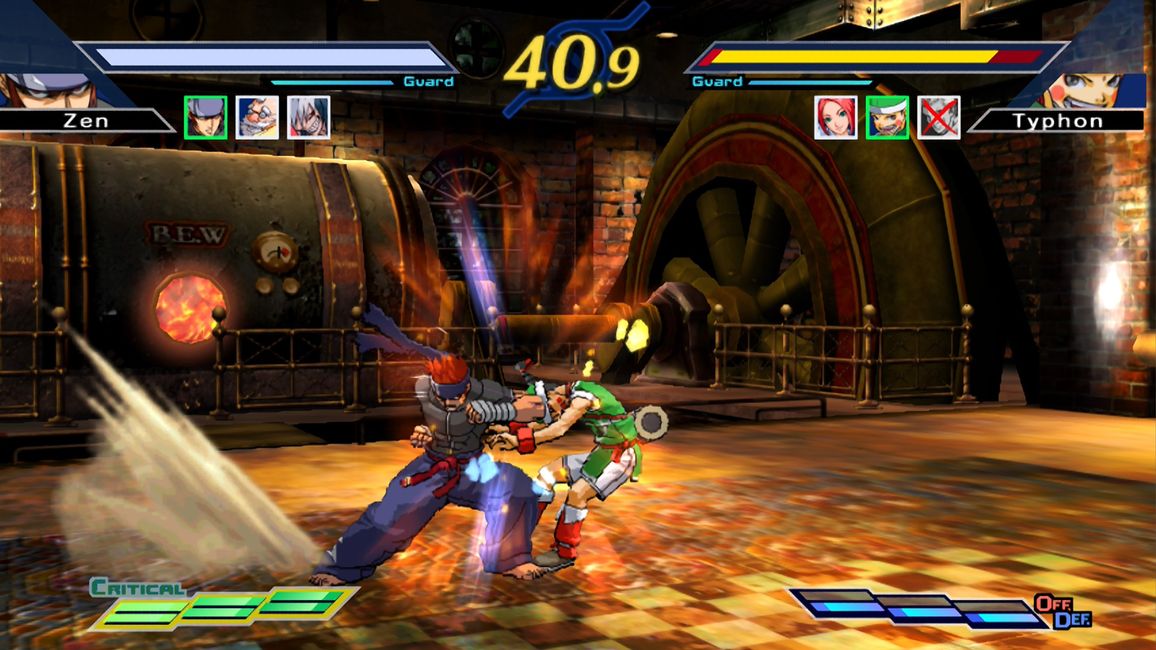
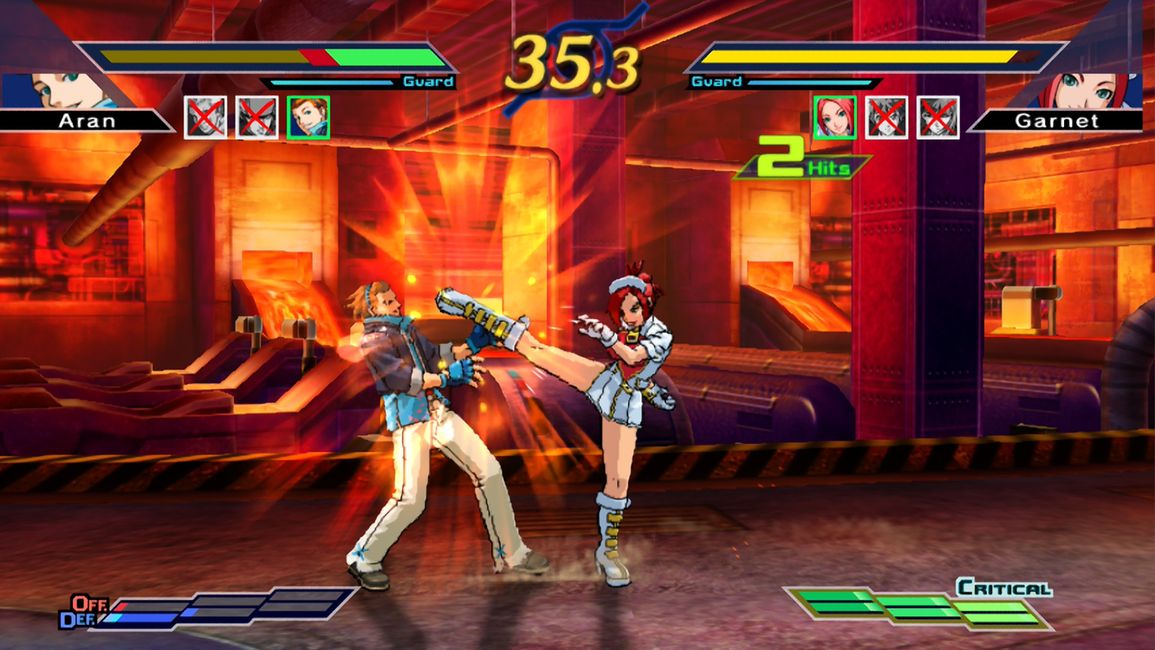
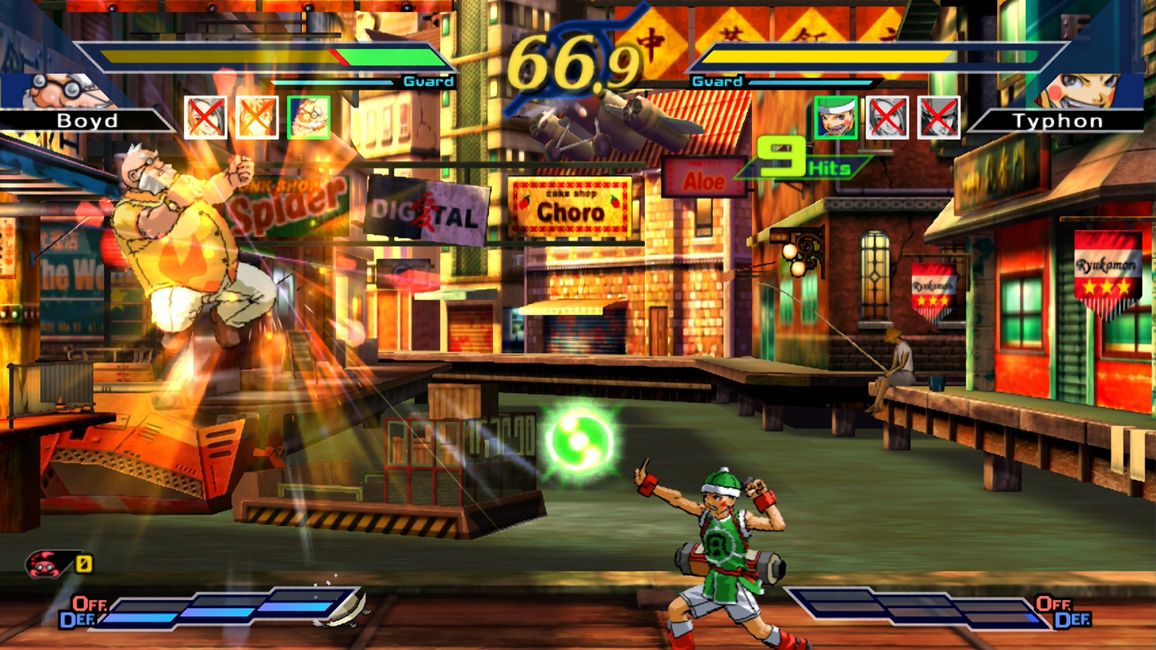
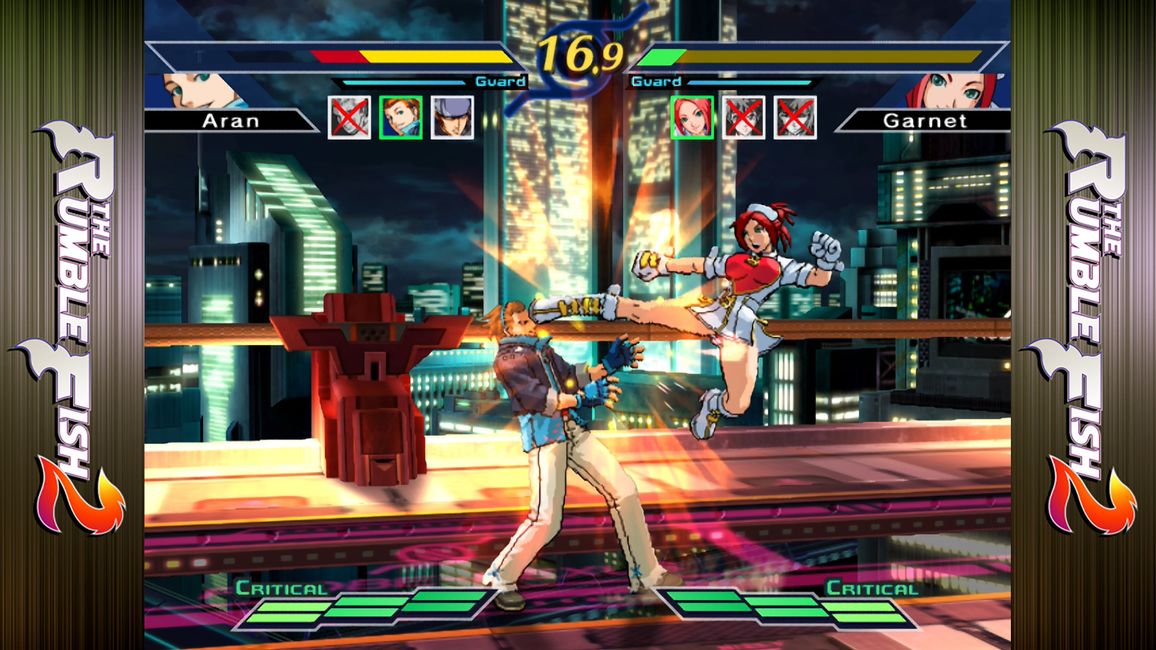
操作與系統設計,才是真正讓老玩家念念不忘的核心。遊戲最具代表性的特色,是同時存在的攻擊計量表與防禦計量表雙系統。玩家在進攻時會累積攻擊槽,用以施放高傷害或關鍵性技能;而在防禦、承受攻擊的過程中,則會累積防禦槽,提供反擊、防守轉換或脫身的可能性。這套設計使比賽節奏不再只是單向壓制,而是充滿攻防拉鋸與心理博弈。即使在被逼到角落時,只要善用防禦計量表,依然有機會扭轉局勢,這也讓高手對戰時的觀賞性大幅提升。
畫面表現上,Dimps所打造的S.M.A(Smooth Model Animation)技術,是當年街機環境中極為罕見的存在。角色動作並非單純的幀數堆疊,而是帶有近似3D骨架概念的2D表現,讓人物在出拳、踢擊、受擊時呈現出柔順且富有重量感的動態。即使放到今日來看,這種動畫質感仍然有別於多數傳統2D格鬥遊戲,也正是本作最容易讓人一眼認出的視覺特徵。
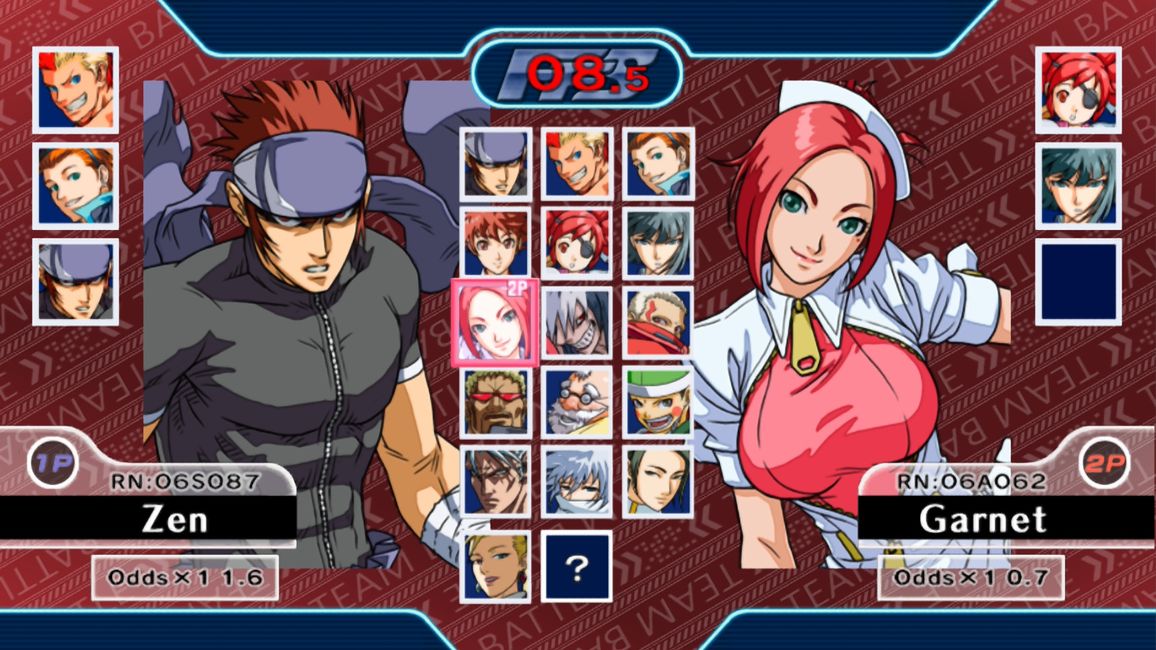
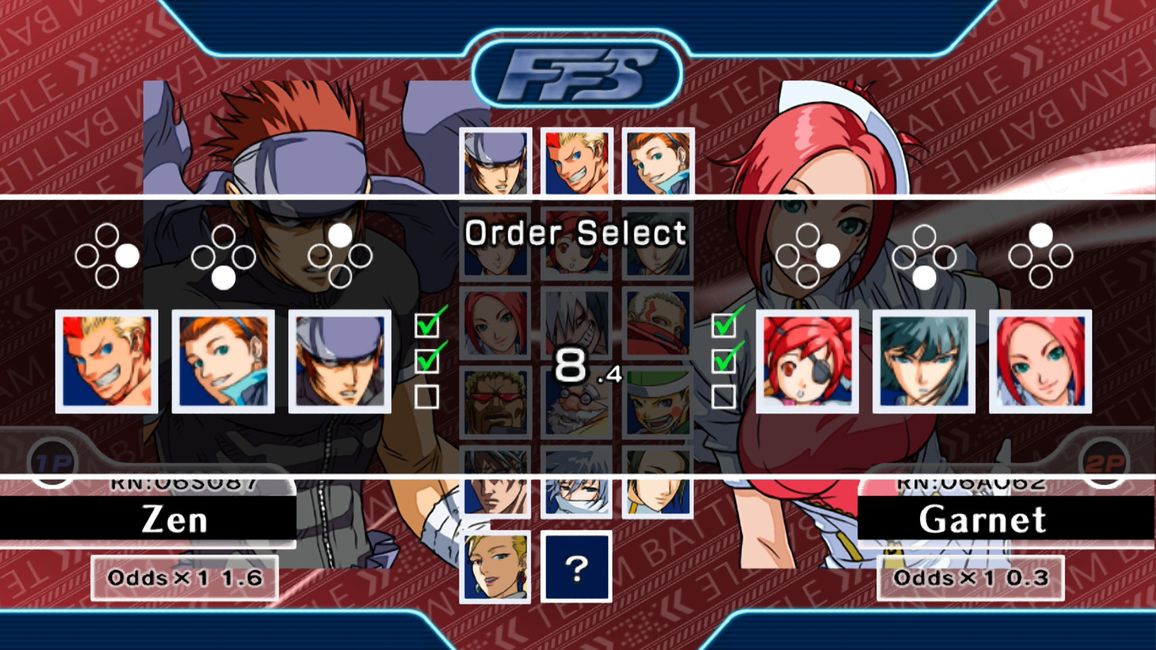
Nintendo Switch 2 Edition則是在原有基礎上,補齊現代格鬥遊戲所需的完整機能。除了收錄過去版本至4.0為止的平衡調整與功能更新外,最受矚目的新內容,是新增的「團隊戰」模式。可以編成三人小隊,進行勝ち抜き形式的連續對戰,讓戰術不再只圍繞單一角色,而是延伸到角色搭配與出場順序的策略思考。圖像也針對新主機進行最佳化,同時支援與原Switch版本的跨平台連線,搭配回滾型網路代碼,線上對戰的穩定度與即時性大幅提升,讓這款原本以街機為核心的作品,真正適應現代玩家的遊玩環境。
在市場評價方面,本作一直呈現出「口碑高於知名度」的狀態。核心格鬥玩家普遍高度肯定其系統深度與操作上限,雙計量表設計至今仍被視為極具前瞻性的嘗試;S.M.A動畫也常被拿來與其他經典2D格鬥作品比較。然而,角色數量不算龐大、上手門檻相對偏高,使它始終難以成為全民型作品。隨著家用版、再到Switch 2 Edition的推出,市場對它的評價逐漸轉向「值得重新認識的街機遺珠」,尤其對於喜歡研究系統、追求操作深度的玩家而言,吸引力相當明確。
總體來說,《鬥魚2》並不是走華麗包裝或大眾取向的格鬥遊戲,而是徹底建立在系統深度、攻防思考與技術表現之上的作品。Nintendo Switch 2 Edition的推出,讓這款曾經屬於街機場角落的硬派之作,終於以更完整、也更友善的姿態回到玩家眼前。對格鬥遊戲老手而言,它是一段值得回味與再度鑽研的經典;對新玩家來說,則是一扇通往「街機時代另一種可能性」的入口。
The Rumble Fish 2 (The Rumble Fish 2 – Nintendo Switch 2 Edition, ランブルフィッシュ2) is a title with strong arcade roots that occupies a unique position in the history of fighting games. Originally developed by Dimps and first released in arcades in 2005, it did not follow the path of mainstream blockbuster fighters at the time. Instead, it earned exceptionally high praise among core players thanks to its distinctive system design and 2D animation that was remarkably smooth, almost unusually so for its era. With subsequent home console releases and now the arrival of the Nintendo Switch 2 Edition, this once niche, hardcore arcade classic has been brought back into a much broader market spotlight.
In terms of worldbuilding and story, the game continues the series’ consistent near-future urban aesthetic. The narrative begins at the end of the 20th century, when a massive natural disaster strikes the eastern region of a certain country. The catastrophe nearly wipes out the area, collapsing its economy and claiming countless lives. In the early 21st century, a powerful corporate conglomerate known as “Explore Core” steps in to oversee reconstruction, pouring enormous capital and next-generation technology into the region. Towering skyscrapers that dwarf previous buildings, along with the world’s largest shopping malls and entertainment facilities, rise as symbols of a new era—forming what is known as the upper district. Meanwhile, on the other side of the city, the undeveloped western districts gradually degenerate into slums, where the gap between rich and poor and deepening class tensions become increasingly severe. It is against this fractured urban backdrop that the F.F.S. fighting tournament unfolds, bringing together fighters of different backgrounds and motives, all seeking to carve out their own place in a city torn apart by power and inequality.
The character roster plays a key role in giving the story its depth. Greed, for example, is a survivor of an illegal fighting organization who only appears before opponents he deems truly strong—combat itself is the meaning of his existence. Hazama appears to be a corporate executive on the surface, but in reality he manipulates the true center of power from the shadows, willing to do anything to gain greater influence. Beatrice, the granddaughter of Explore Core’s former chairman, projects a cold and distant demeanor; in battle, however, she excels at solid defense before unleashing powerful counter-combos. These characters are not merely “people who fight,” but figures deeply intertwined with the city’s structure and power dynamics, giving the world a sense of substance despite the limited narrative scope.
The control scheme and system design are what truly make the game unforgettable for veteran players. Its most iconic feature is the dual-gauge system, consisting of separate attack and defense meters. Offensive actions build the attack gauge, which can be spent on high-damage or decisive techniques, while blocking and taking hits fill the defense gauge, opening up options for counterattacks, defensive maneuvers, or escapes. This design ensures that matches are not simply about one-sided pressure, but instead revolve around constant shifts in momentum and psychological mind games. Even when cornered, a player who skillfully uses the defense gauge can turn the tables, greatly enhancing the excitement and spectacle of high-level play.
Visually, Dimps’ proprietary S.M.A. (Smooth Model Animation) technology was extremely rare in the arcade scene at the time. Character movement is not just a matter of stacking animation frames; it employs a 2D presentation inspired by 3D skeletal concepts, giving punches, kicks, and hit reactions a fluid yet weighty feel. Even by today’s standards, this animation style stands apart from most traditional 2D fighting games and remains one of the title’s most immediately recognizable traits.
The Nintendo Switch 2 Edition builds upon this foundation by adding the full suite of features expected of a modern fighting game. In addition to including all balance adjustments and updates up through version 4.0, the most notable new addition is the “Team Battle” mode. Players can form three-character teams and engage in consecutive elimination-style matches, shifting strategy away from reliance on a single fighter toward thoughtful character combinations and lineup order. The visuals have been optimized for the new hardware, and the game supports cross-play with the original Switch version. Combined with rollback netcode, online matches are significantly more stable and responsive, allowing this arcade-centric title to truly adapt to contemporary play environments.
From a market perspective, the game has long been described as a case of “reputation exceeding recognition.” Core fighting game fans widely praise its system depth and high skill ceiling, with the dual-gauge mechanic still regarded as a forward-thinking design. The S.M.A. animation is also frequently compared to other classic 2D fighters. However, a relatively modest roster and a steeper learning curve have kept it from becoming a mass-market hit. With the release of home console versions and now the Switch 2 Edition, perceptions have gradually shifted toward viewing it as a “hidden arcade gem worth rediscovering,” especially appealing to players who enjoy deep systems and technical mastery.
Overall, The Rumble Fish 2 is not a fighting game built on flashy presentation or broad mainstream appeal. Instead, it is firmly rooted in system depth, offensive and defensive decision-making, and technical expression. The Nintendo Switch 2 Edition allows this once corner-of-the-arcade hardcore title to return in a more complete and approachable form. For veteran fighting game players, it is a classic well worth revisiting and re-exploring; for newcomers, it serves as a gateway to an alternative vision of what the arcade era had to offer.
運費計算方式:
貨款滿1000元運費外加90元
貨款1000以下:買1件運費外加 60元,買2件運費外加 70元,
買3件運費外加 80元 ,買4件運費外加 90元
貨到付款外加30元手續費
外島及大陸地區運費另計
付款方式:
線上刷卡:本站採用Paypal線上刷卡
虛擬帳號匯款:屬於您專屬的虛擬帳戶,方便站長查帳使用,本站強力推薦
實體ATM匯款:請將匯款帳號記錄下來至各大銀行ATM提款機轉帳
超商條碼繳費:請列印本站提供的條碼至四大超商繳費
線上轉帳:透過玉山銀行線上ATM轉帳(此系統只支援IE瀏覽器)
貨到付款:本站採用黑貓宅急便貨到付款
其他注意事項:
如需購買線上點數卡請直接跟站長連絡,本站不提供點數卡的線上付款