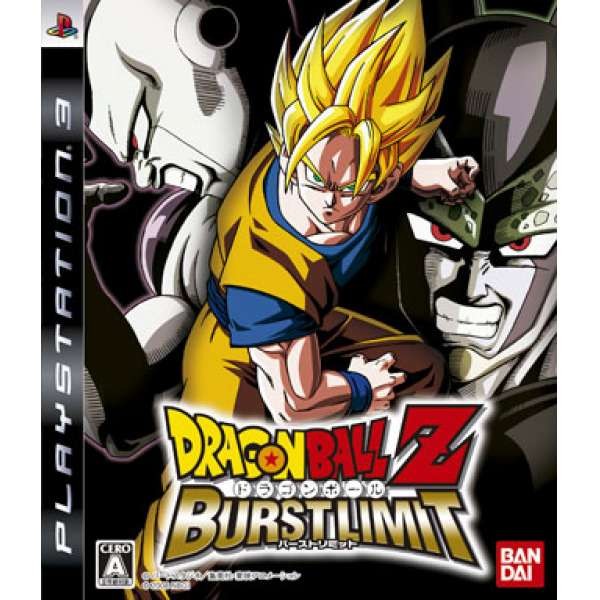
七龍珠Z 爆發極限
 2008-06-05
於2008年6月登場的《七龍珠 Z:爆發極限》(Dragon Ball Z: Burst Limit),是由萬代南夢宮娛樂在PlayStation 3與Xbox 360這兩款當時被視為「次世代主機」的平台上推出的首部《龍珠》作品,並交由長年負責《龍珠 Z》格鬥系列開發的Dimps操刀製作。承載著將《龍珠》正式帶入高清時代的重要使命,不僅在技術層面上全面升級,也在整體質感與節奏表現上留下深刻的時代印記,成為許多老玩家心中一款「短小卻精緻」的代表之作。
作為系列邁入HD世代的先鋒,在畫面表現上展現當時最頂尖的水準。以穩定的60幀流暢運行,透過高解析度細緻重現角色的肌膚紋理、服裝破損效果以及氣功波的粒子特效,使整體視覺呈現更接近動畫的臨場感。雖然角色數量相較於前作《龍珠Z 電光火石3》大幅縮減,僅保留約21位可操作角色,但開發團隊選擇將重心集中在戰鬥的手感與判定精準度上,使整體對戰更具競技性與回饋感。
在劇情內容上,並未涵蓋《七龍珠Z》的完整篇章,而是精煉地聚焦於三個最具代表性的段落:賽亞人篇、弗力札篇與賽魯篇。玩家將從悟空對抗拉帝茲的序幕出發,一路歷經納美克星的激戰與超級賽亞人的覺醒,最終迎來悟飯於賽魯遊戲中的爆發時刻。儘管劇情止步於此,但導入名為「戲劇性事件(Drama Piece)」的創新系統,使戰鬥過程中能即時觸發如動畫般的演出橋段,例如克林投擲仙豆或達爾突然介入戰局,這些事件不僅強化敘事臨場感,也會實際影響戰鬥,例如回復體力或提升防禦力,讓每場對戰都更具戲劇張力。
在操作設計方面,回歸經典的2.5D橫向格鬥架構,強調快速攻防與節奏掌控。玩家透過輕重攻擊組合進行連段,並需謹慎管理「氣力」資源,因為氣不僅是發動必殺技的關鍵,同時也是防禦與反擊的核心,例如利用瞬間移動來閃避敵方攻勢。當氣力蓄積至一定程度後,可施展魄力十足的究極必殺技,畫面會切換至極具電影感的分鏡演出,重現如超龜派氣功等經典招式的壓倒性破壞力。此外,戰鬥中還融入連擊延伸與「爆發(Burst)」機制,使角色在短時間內進入強化狀態,進一步提升攻擊節奏與壓制能力,整體手感被許多玩家認為是最接近傳統競技格鬥的龍珠作品之一。
在市場評價方面,本作呈現出一種「技術精湛但內容略顯不足」的兩極反應。其畫面品質在當年可說是震撼級表現,角色建模與動態演出皆達到當時系列巔峰,加上紮實且容易上手的格鬥系統,使其在對戰體驗上備受肯定。音樂部分同樣維持高水準,主題曲〈Kiseki no Hana〉也廣受玩家喜愛。然而,遊戲最大的爭議點在於內容規模的縮減,不僅未收錄魔人普烏篇,角色數量也遠少於前作,讓不少玩家感到意猶未盡,進而影響了整體耐玩度與長期吸引力。
整體而言,《七龍珠 Z:爆發極限》更像是一部為高清時代鋪路的技術展示之作。它成功證明了《龍珠》在次世代主機上的視覺潛力與格鬥深度,雖然在內容完整性上留下遺憾,但其細膩的畫面與紮實的操作手感,至今仍讓它在龍珠格鬥遊戲史上佔有一席不可忽視的經典地位。
Released in June 2008, Dragon Ball Z: Burst Limit was the first Dragon Ball title launched on the then “next-generation” consoles, PlayStation 3 and Xbox 360. Published by Bandai Namco Entertainment and developed by Dimps—a studio long associated with the Dragon Ball Z fighting game series—the game carried the significant responsibility of bringing the franchise into the high-definition era. Not only did it represent a major technical leap forward, but it also left a lasting impression on players with its refined presentation and fast-paced combat, earning a reputation as a compact yet highly polished entry in the series.
As a pioneer of the HD generation, Burst Limit showcased cutting-edge visuals for its time. Running at a smooth 60 frames per second, the game featured high-resolution character models with detailed skin textures, dynamic clothing damage, and enhanced energy effects. While its roster was significantly smaller compared to its predecessor, Dragon Ball Z: Budokai Tenkaichi 3, with only around 21 playable characters, the developers chose to focus on delivering a more precise and responsive fighting experience. This emphasis on gameplay refinement resulted in tighter mechanics and a stronger sense of impact during combat.
In terms of narrative, the game did not attempt to cover the entirety of Dragon Ball Z, but instead concentrated on three of its most iconic arcs: the Saiyan Saga, the Frieza Saga, and the Cell Saga. Players begin with Goku’s battle against Raditz and progress through the intense conflicts on Namek, culminating in Gohan’s dramatic awakening during the Cell Games. Although the story ends there, the introduction of the “Drama Piece” system adds a unique layer of storytelling. During battles, specific conditions can trigger cinematic events reminiscent of the anime, such as Krillin throwing a Senzu Bean or Vegeta suddenly intervening. These moments not only enhance immersion but also provide gameplay benefits like health recovery or temporary buffs, making each fight feel like a dynamic episode of the series.
The gameplay returns to a classic 2.5D side-scrolling fighting style, emphasizing speed, timing, and resource management. Players execute combos using light and heavy attacks while carefully managing their Ki gauge, which is essential for both offense and defense. Techniques such as teleportation counters allow players to evade enemy assaults, adding a strategic layer to the fast-paced action. Once enough energy is accumulated, players can unleash powerful Ultimate Attacks, accompanied by cinematic camera angles that recreate the dramatic intensity of signature moves like the Super Kamehameha. The inclusion of combo extensions and the “Burst” mechanic further enhances the combat system, allowing characters to temporarily power up and dominate the battlefield. This high-speed, reactive combat has led many players to regard Burst Limit as one of the Dragon Ball games closest in feel to traditional competitive fighting titles.
Critically, Burst Limit received a mixed but generally positive reception, often described as a case of “high quality but limited content.” Its visual presentation was groundbreaking at the time, with character models and animation quality considered among the best in the franchise. The solid and accessible combat system, along with relatively stable online play for its era, were also widely praised. The soundtrack maintained the series’ high standards, with the theme song “Kiseki no Hana” gaining particular popularity among fans.
However, the game’s shortcomings were equally notable. The most significant criticism was its truncated story, which did not include the Majin Buu Saga. Additionally, the reduced roster felt lacking compared to previous titles, diminishing replay value and long-term appeal. For many players, the game felt incomplete despite its technical excellence.
Overall, Dragon Ball Z: Burst Limit can be seen as a showcase of technological ambition. It successfully demonstrated the potential of Dragon Ball on HD consoles and delivered a refined, satisfying combat experience. Although it fell short in terms of content volume, its visual fidelity and solid gameplay mechanics have ensured its place as a memorable and influential entry in the history of Dragon Ball fighting games.
運費計算方式:
貨款滿1000元運費外加90元
貨款1000以下:買1件運費外加 60元,買2件運費外加 70元,
買3件運費外加 80元 ,買4件運費外加 90元
貨到付款外加30元手續費
外島及大陸地區運費另計
付款方式:
線上刷卡:本站採用Paypal線上刷卡
虛擬帳號匯款:屬於您專屬的虛擬帳戶,方便站長查帳使用,本站強力推薦
實體ATM匯款:請將匯款帳號記錄下來至各大銀行ATM提款機轉帳
超商條碼繳費:請列印本站提供的條碼至四大超商繳費
線上轉帳:透過玉山銀行線上ATM轉帳(此系統只支援IE瀏覽器)
貨到付款:本站採用黑貓宅急便貨到付款
其他注意事項:
如需購買線上點數卡請直接跟站長連絡,本站不提供點數卡的線上付款