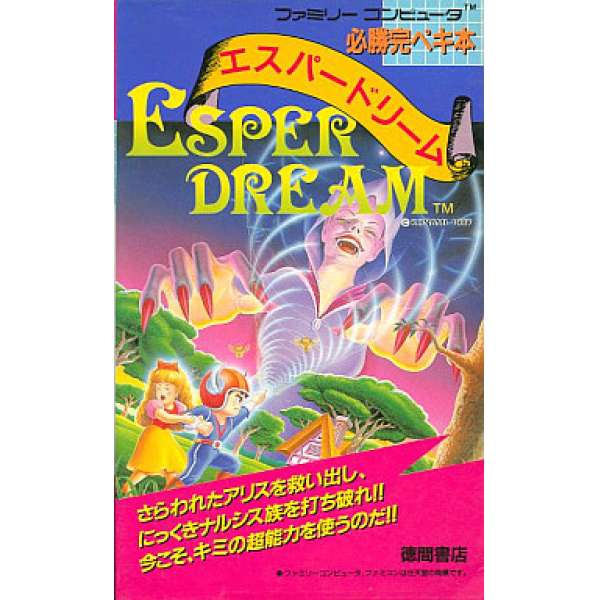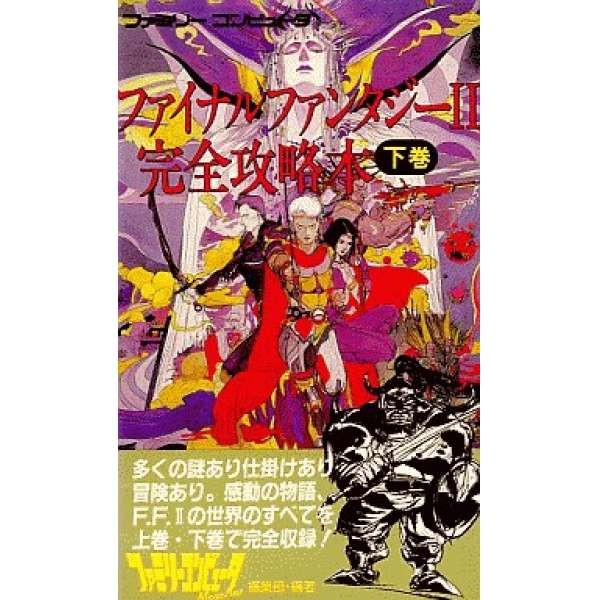
FC 小超人 / 世界之夢 必勝完全攻略本
《小超人》(Esper Dream / エスパードリーム)由 Konami 於 1987 年 2 月 20 日在任天堂 Famicom Disk System(FDS)推出,是 Konami 在 8 位元時代早期最具代表性的動作角色扮演遊戲(ARPG)之一。在當時《勇者鬥惡龍》式的回合制 RPG 風靡市場的年代,大膽結合「地圖可見遇敵」與「即時動作戰鬥」的機制,並融入充滿童話色彩的幻想世界觀,成功打造一個溫馨又具挑戰性的冒險品牌。
技術表現上,充分利用磁碟機系統的優勢,包括比卡帶更大的儲存容量以及更優秀的音源表現。遊戲畫面色彩明亮、線條圓潤,呈現如同繪本般的質感,與當時流行的黑暗奇幻或硬派武俠風格形成強烈對比。主角是一名穿著睡衣、擁有超能力(ESP)的少年,其點陣圖形象極為可愛。背景音樂由 Konami 音效團隊精心編排,旋律充滿夢幻感與冒險律動,尤其是進入戰鬥畫面時的急促樂曲,搭配磁碟機特有的音色,營造出極佳的遊玩氛圍。
故事劇情描述一名平凡少年,他熱愛閱讀,某天在街頭發現一本神祕的書。當他翻開書頁時,竟被吸入一個奇幻世界,由「磚塊世界」、「點心世界」和「水下世界」組成。在這個世界中,居民正受到邪惡勢力威脅,少年覺醒了強大的超能力。為了尋找回到現實世界的方法並拯救善良生物,他必須拿起能發射超能力的權杖,挑戰各個區域深處的強大頭目。整個故事講述「夢境、勇氣與想像力」,最終少年證明超能力真正的源頭是那顆純真的守護之心。
操作機制方面,設計一套直觀且充滿動態感的戰鬥系統,在當時的 RPG 中極具創新性。敵人不會隨機出現,而是以移動的「腳印」在地圖上呈現,當接觸到腳印時,畫面會瞬間切換到封閉的矩形戰鬥區域。這設計讓玩家能透過走位選擇性地避免戰鬥。進入戰鬥後,可以八方向自由移動,並利用 A 鍵施放超能力波,戰鬥強調拉鋸感,需一邊閃避敵人攻擊,一邊尋找反擊時機。隨著等級提升,少年可習得包括地圖傳送、體力恢復及強力爆破等 ESP 技能,增加操作深度。
經驗值與裝備成長依然是 RPG 核心。玩家必須擊敗敵人累積經驗,並在城鎮中購買更好的護甲及增強超能力的道具。玩家需隨時管理能量(EP),因施展強力超能力會迅速消耗資源,增加策略性。
市場評價方面,以其獨特風格、流暢操作及高親和力獲得高度肯定。評論家讚賞 Konami 成功將動作遊戲爽快感與 RPG 成長樂趣結合,認為「腳印遇敵」的創意大幅降低了練功枯燥感。雖然部分玩家認為後期難度曲線略陡,迷宮設計相對簡單,但其溫馨世界觀與高完成度,使其成為磁碟機系統上不可多得的佳作。市場普遍認為《小超人》是 Konami 早期最重要的原創 IP 之一,其建立的風格也直接影響了後續在紅白機卡帶上推出的續作,成為許多玩家童年記憶中「最想進入的書」。
Esper Dream (エスパードリーム), released by Konami on February 20, 1987, for the Nintendo Famicom Disk System (FDS), is one of Konami’s most representative early action RPGs (ARPGs) during the 8-bit era. At a time when turn-based RPGs like Dragon Quest dominated the market, this game boldly combined “visible encounters on the map” with real-time action combat, set against a colorful, fairy-tale-inspired fantasy world. This approach created a warm yet challenging adventure experience that resonated strongly with players.
Technically, Esper Dream takes full advantage of the Famicom Disk System, which offered larger storage capacity than cartridges and superior audio capabilities. The graphics are bright, with rounded lines that evoke the feel of a picture book, contrasting sharply with the dark fantasy or martial arts aesthetics prevalent in other games at the time. The protagonist, a young boy in pajamas with ESP abilities, is rendered in a charmingly cute pixel style. The background music, carefully arranged by Konami’s sound team, conveys a dreamy sense of adventure. The battle themes are particularly fast-paced, leveraging the unique sound palette of the Disk System to create an engaging atmosphere during gameplay.
The story centers on an ordinary boy who discovers a mysterious book on the streets of a city filled with brick buildings. Upon opening it, he is transported into a magical world composed of “Brick World,” “Confectionery World,” and “Underwater World.” In this world, residents are threatened by evil forces, and the boy awakens powerful psychic abilities. To find his way back home and save the innocent inhabitants, he must wield a wand that fires his ESP powers and confront powerful bosses hidden in each region. The narrative emphasizes dreams, courage, and imagination, ultimately portraying the boy’s pure-hearted resolve as the true source of his power.
Gameplay in Esper Dream features a highly intuitive and dynamic battle system that was revolutionary for RPGs at the time. Unlike most games where encounters occur randomly, enemies are represented on the map as moving footprints. Contact with these footprints triggers a transition to a closed, rectangular battle arena, giving players the strategic option to avoid unnecessary fights by maneuvering carefully. In combat, the boy can move freely in eight directions and use ESP attacks via the A button. Battles emphasize tactical “push-and-pull” mechanics, requiring players to dodge enemy projectiles while searching for openings to strike. As the boy gains levels, he learns various ESP abilities, including map teleportation, healing, and powerful explosions, which deepen the gameplay strategy.
Experience points and equipment progression remain central to the RPG experience. Players must defeat enemies to gain levels and acquire better armor and items that enhance ESP abilities. Energy management (EP) is crucial, as powerful ESP attacks consume limited resources, adding a layer of tactical depth.
Esper Dream received high praise for its distinctive style, smooth gameplay, and accessible charm. Critics appreciated Konami’s successful fusion of action-game immediacy with RPG growth mechanics, highlighting the “footprint encounters” as a clever innovation that reduced monotony in leveling. While some hardcore players noted a steep difficulty curve in later stages and relatively simple maze designs, the game’s heartwarming world and high production quality made it a standout title on the Disk System. It is widely recognized as one of Konami’s most important early original IPs, laying the groundwork for its Famicom cartridge sequel and remaining a cherished childhood memory for many players as the book “they most wanted to enter.”
運費計算方式:
貨款滿1000元運費外加90元
貨款1000以下:買1件運費外加 60元,買2件運費外加 70元,
買3件運費外加 80元 ,買4件運費外加 90元
貨到付款外加30元手續費
外島及大陸地區運費另計
付款方式:
線上刷卡:本站採用Paypal線上刷卡
虛擬帳號匯款:屬於您專屬的虛擬帳戶,方便站長查帳使用,本站強力推薦
實體ATM匯款:請將匯款帳號記錄下來至各大銀行ATM提款機轉帳
超商條碼繳費:請列印本站提供的條碼至四大超商繳費
線上轉帳:透過玉山銀行線上ATM轉帳(此系統只支援IE瀏覽器)
貨到付款:本站採用黑貓宅急便貨到付款
其他注意事項:
如需購買線上點數卡請直接跟站長連絡,本站不提供點數卡的線上付款
-
FC 小超人 / 世界之夢 必勝完全攻略本
- 定 價: 347円
- 售 價: 0.00
- 庫存量: 0 套
- 已賣出: 0 套
 人氣指數: 0 / 6 顆星